Alone in the Dark: The Mental Battle at the Heart of the Yukon Quest
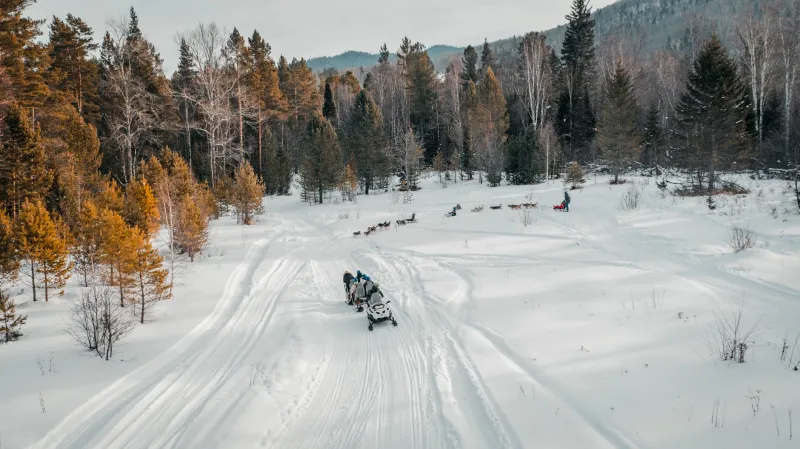
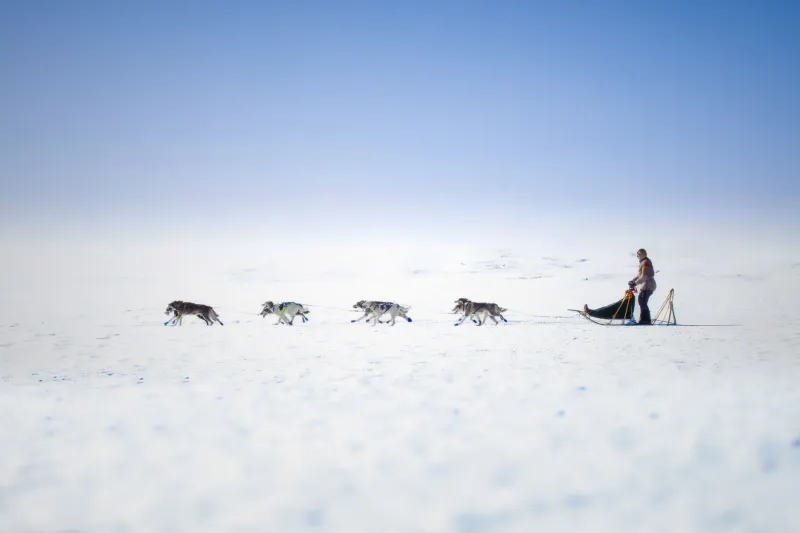
Somewhere between Dawson City and the long, wind-scoured stretch toward Pelly Crossing, the Yukon Quest stops being a race and becomes something else entirely. The dogs are still running. The sled is still moving. But in the mind of the musher perched on the back of that rig, reality has started to loosen at the edges.
Maybe it's a figure standing at the treeline that isn't there. Maybe it's a conversation with a person who hasn't spoken in hours. Maybe it's just a creeping, bone-deep certainty that you have made a terrible mistake — and that the next checkpoint is much, much farther away than the map suggests.
This is the Yukon Quest. And this is the part nobody talks about enough.
The Mind Is the First Thing to Go
Elite sled dog racers will tell you that their dogs are extraordinary athletes — disciplined, powerful, and remarkably resilient. The weak link in any Quest team, they'll admit with a rueful grin, is usually the human.
The race covers more than 1,600 kilometres through some of the most remote terrain in North America, winding through the Yukon and Alaska in conditions that can swing from manageable to genuinely life-threatening within hours. Sleep deprivation sets in fast. Mushers are permitted to rest, but competitive pressure and trail conditions mean that deep, restorative sleep is a luxury most can't afford. After 48 to 72 hours of fragmented rest, the psychological effects become impossible to ignore.
Sports psychologists who work with ultra-endurance athletes describe this phase as a kind of cognitive unravelling — not a breakdown, exactly, but a stripping away of the mental filters that normally keep perception tidy and rational.
"What happens in extreme sleep deprivation is that the brain starts filling gaps with its own content," explains one sports psychologist who has consulted with endurance athletes across several disciplines. "Hallucinations are common. Emotional volatility increases. Decision-making becomes genuinely compromised. The athletes who perform best in those conditions are the ones who have trained specifically for it — who know what's happening to them and have strategies to manage it."
Training the Mind Like a Muscle
For serious Quest competitors, psychological preparation is no longer an afterthought. It's a training pillar.
Some mushers work with mental performance coaches in the off-season, developing tools for managing fear, loneliness, and the specific cognitive distortions that come with extreme fatigue. Techniques drawn from mindfulness practice, cognitive behavioural therapy, and even military resilience training have found their way into the preparation routines of Canada's top sled dog racers.
Visualization is a cornerstone. Experienced mushers describe spending hours mentally rehearsing not just the good moments — the clean runs, the strong checkpoints — but the hard ones. The whiteouts. The moment a dog gets injured. The 3 a.m. stretch when every instinct is screaming to stop.
"I've run the race in my head hundreds of times before I ever get to the start line," says one veteran musher who has completed multiple Quests. "I know what it feels like when my mind starts playing tricks. I've practised noticing it, naming it, and not letting it make decisions for me."
That capacity to observe one's own mental state without being controlled by it — what psychologists call metacognition — appears repeatedly in accounts from top finishers. It's the difference between a musher who panics during a whiteout and one who methodically works through a checklist.
The Weight of Isolation
The Yukon Quest is unusual among major endurance events in just how alone competitors can be. Unlike a marathon or even a multi-day cycling race, mushers can go hours — sometimes longer — without seeing another person. The vastness of the northern wilderness is one of the race's defining characteristics, and part of its profound appeal. But it also creates a psychological pressure that's hard to simulate in training.
For Canadian mushers who come from smaller communities and are accustomed to wide open spaces, there's often a complicated relationship with that solitude. It can be peaceful. It can be clarifying. And then, without warning, it can become crushing.
"There are moments out there when you feel completely, utterly alone," reflects one musher who finished in the top ten in a recent Quest. "Not lonely, exactly — the dogs are there, and you're responsible for them, and that keeps you anchored. But alone in this deeper way. Like the world has gone quiet and it's just you and the trail and whatever's in your head."
For many racers, that confrontation with themselves — stripped of distraction, comfort, and the usual noise of daily life — produces unexpected results. Emotional breakthroughs are not uncommon. Mushers describe crying without knowing why, or suddenly understanding something about themselves that had been obscured for years. The trail, it seems, has a way of surfacing what's buried.
Fear, Respect, and the Line Between Them
Fear is a constant companion on the Quest, and the mushers who manage it best are the ones who've learned to treat it as information rather than instruction.
The dangers on the trail are real — river crossings, sudden storms, temperatures that can kill exposed skin in minutes. Experienced racers develop a finely calibrated sense of risk that draws on years of accumulated trail knowledge. But even veterans describe moments when fear tips toward something harder to manage.
"The trail doesn't care about your experience," says one musher matter-of-factly. "It doesn't care how many times you've done this. There are moments when you have to make a call with incomplete information, in the dark, exhausted, and you just have to trust yourself."
That self-trust — built over years of training, failure, and hard-won success — is perhaps the most important psychological asset a Quest competitor can carry. It doesn't eliminate fear. It just makes fear workable.
What the Trail Leaves Behind
Mushers who finish the Yukon Quest often describe a period of psychological adjustment after the race ends. The sudden return to warmth, noise, and ordinary life can feel disorienting. Some describe a kind of emotional flatness in the weeks that follow — a quiet, grey aftermath that takes time to lift.
But almost universally, they also describe something else: a deepened sense of their own capacity. A knowledge, tested and confirmed in the coldest, darkest conditions imaginable, that they can endure more than they thought.
That's the Yukon Quest's quietest gift — not the trophy or the finish-line photo, but the understanding of what lives on the other side of the hardest thing you've ever done.
Where the trail meets the wild, the mind finds out what it's really made of.