Broken Runners and Duct Tape Dreams: How the Yukon Quest Keeps Reinventing the Sled
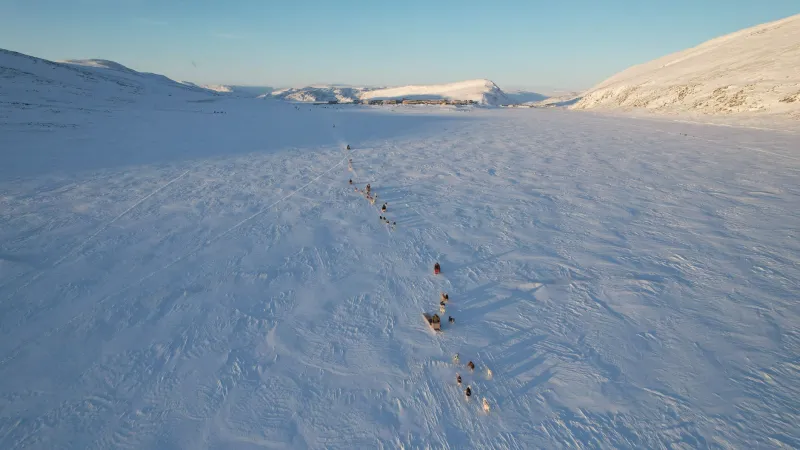
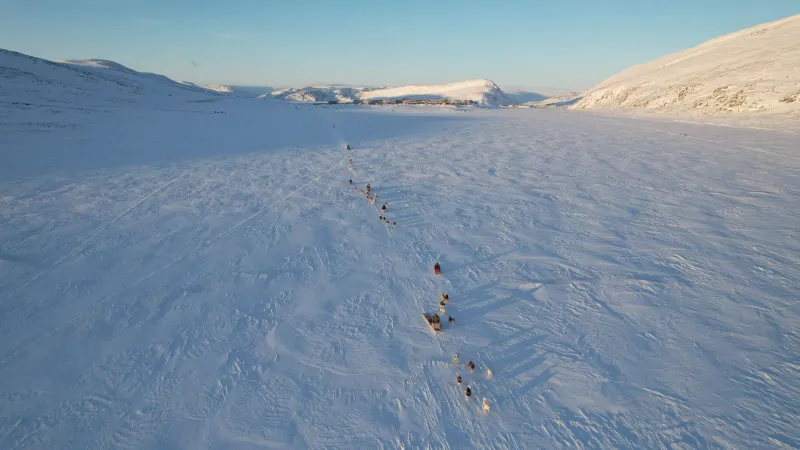
Somewhere between Dawson City and the long, punishing climb toward Eureka Dome, there's a graveyard nobody maps. It isn't marked by headstones or GPS coordinates. It's a scattered archive of busted gear — cracked sled stanchions, blown-out booties, zip ties that gave up the ghost somewhere around kilometre 900. The Yukon Quest doesn't just test mushers and dogs. It systematically dismantles whatever equipment isn't built to survive it.
And that, as it turns out, is the point.
The Trail as a Testing Ground
Veteran mushers will tell you that the Quest isn't like other long-distance races. The Iditarod gets more press, sure, but the Quest's route — 1,600 kilometres of subarctic wilderness connecting Whitehorse and Fairbanks — is widely considered the tougher technical challenge. The terrain swings from overflow ice to wind-blasted ridgelines to overflow ice again, and the temperatures can drop so fast that equipment rated for minus-40 becomes unreliable by midnight.
That kind of environment is merciless on gear. And over decades of racing, it has pushed mushers, builders, and outfitters to innovate in ways that would never have happened in a warm garage.
"You find out what doesn't work real fast out there," says one long-time Quest competitor who has finished the race multiple times. "Things that look perfect on paper, things you've tested all fall — the trail finds the flaw. Every single time."
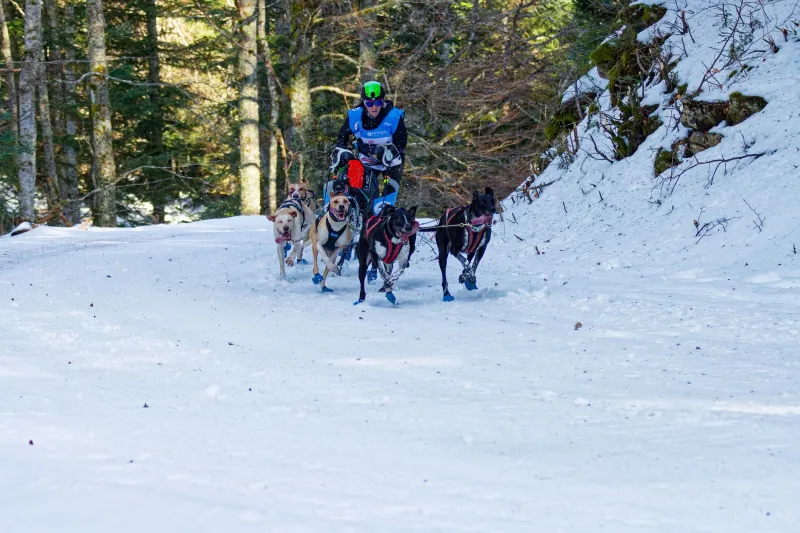
The sled itself is usually where the drama begins. Quest sleds are hand-built, often by the mushers themselves or by small specialty shops. They're typically constructed from materials like ash or aluminium, lashed together with traditional methods that allow for flex rather than rigidity — because a sled that can't bend will break. But even the best-built sled takes a beating on the Quest's more technical sections, where the trail drops sharply, narrows between trees, or disappears entirely under fresh overflow.
What Gets Left Behind
Checkpoint volunteers have seen it all. Mushers roll in with sleds that look like they've been through a demolition derby. Cracked brush bows. Bent drag mats. Runners that have been jury-rigged with everything from hose clamps to strips of plastic cut from fuel containers.
Some gear gets abandoned by choice. A sled bag that's taken on ice and added unwanted weight. A headlamp system that froze up and couldn't be revived. Extra food drops that a musher decides to leave behind to lighten the load after a dog is dropped at a checkpoint. The calculus of what stays and what goes is constant, and it's rarely comfortable.
Other gear fails without warning. Brake systems ice over. Handlebar padding cracks in the cold and starts pulling away. Runners — the long strips of plastic on the sled's underside that actually contact the snow — wear unevenly on icy terrain and start creating drag that the dogs have to fight against. A musher who doesn't catch that early enough will lose time and tire their team unnecessarily.
"You're out there in the dark, headlamp on, and you're diagnosing a sled the way a mechanic diagnoses a car on the side of a highway," one musher described. "Except you don't have a shop. You've got what's in your sled bag and what you can figure out with cold hands."
The Innovation Loop
Here's the thing about failure on the Quest: it feeds progress. The race has quietly driven a generation of improvements to sled design, dog gear, and musher equipment that have rippled outward into the broader dog sledding world.
Runner technology is one clear example. The plastic compounds used on modern sled runners are significantly more sophisticated than what was available even fifteen years ago. Different formulations perform better at different temperatures, and mushers have become obsessive about matching their runner plastic to forecast conditions. That obsession was born, in large part, from races lost or nearly lost to runner failure in the field.
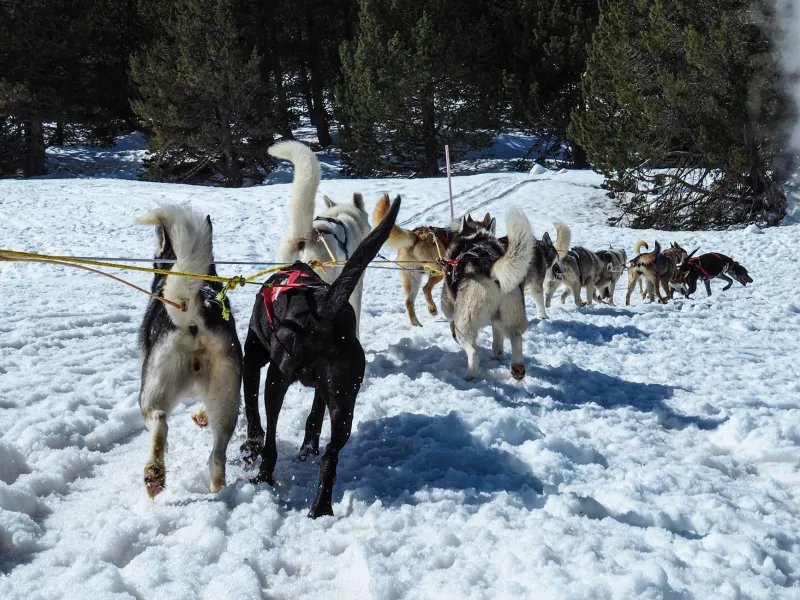
Dog booties — the small fabric covers that protect sled dogs' paws from ice and abrasion — have also evolved considerably. Early versions wore through quickly and were a nightmare to apply in deep cold. Current designs use better materials and fasten more securely, the result of mushers tracking exactly where and why booties failed during previous races.
Sled bag design has shifted too. The insulated bags that keep dog food and musher supplies from freezing solid have become more modular, easier to access on the go, and better sealed against moisture. Small improvements, maybe, but on a race where every minute of checkpoint time counts, they matter.
Tradition Meets Problem-Solving
What makes the Quest's innovation culture interesting is that it doesn't discard traditional knowledge — it builds on top of it. Indigenous approaches to winter travel, particularly those developed by Athabascan and First Nations peoples across the Yukon and Alaska, have always emphasized materials that work with the cold rather than fighting it. Lashed sled construction. Natural fat-based ointments for dog paw care. Reading trail conditions through observation rather than instruments.
The most successful Quest mushers tend to be the ones who carry that wisdom alongside their modern gear. They know when to trust the old ways and when a new solution is genuinely better. They're not romantics about tradition for its own sake, but they're not dismissive of it either.
That balance shows up in how they approach equipment failures. The instinct isn't to panic or give up — it's to problem-solve methodically, drawing on whatever knowledge is available, old or new.
Racing Hard, Building Smarter
The equipment graveyard along the Quest trail isn't a monument to failure. It's more like a record of learning — every abandoned piece of gear representing a lesson absorbed and a better solution eventually developed.
For Canadian mushers and the growing community of dog sledding enthusiasts from coast to coast, the Quest's demanding standards have set a benchmark that pushes the whole sport forward. Gear built to Quest standards doesn't just survive the North. It earns that right, kilometre by kilometre, in one of the most unforgiving environments on earth.
And somewhere out there, right now, a musher is in their workshop building next year's sled — incorporating every hard-won lesson the trail taught them — getting ready to run it wild again.