When the Plan Dissolves: What Actually Separates Quest Finishers from Those Who Don't Make It
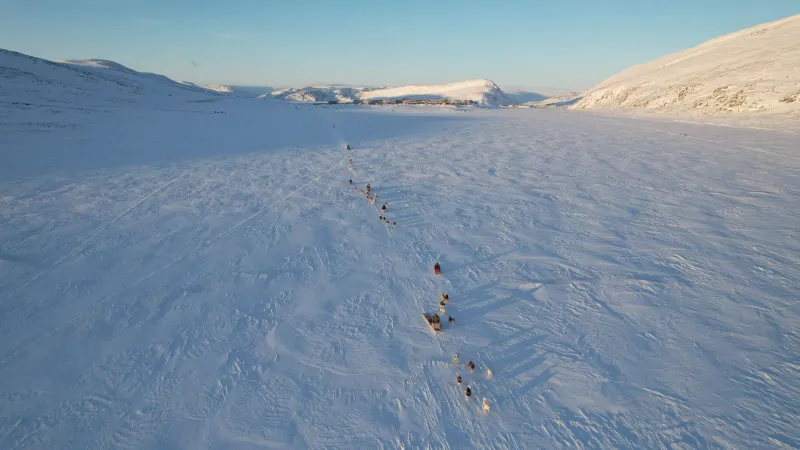
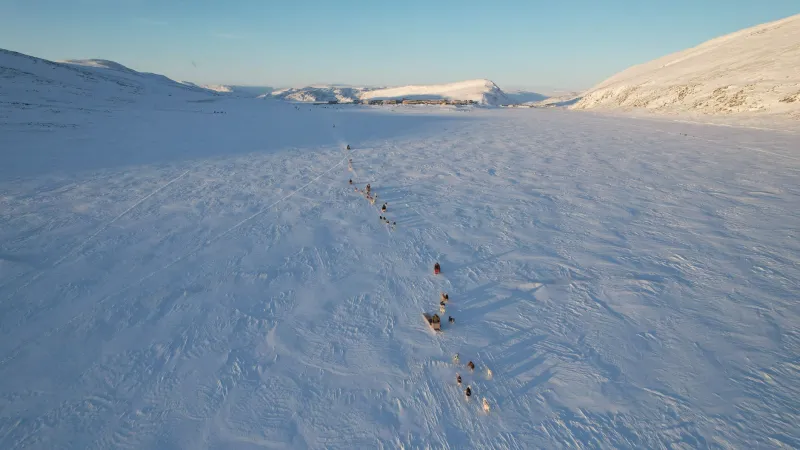
There's a moment that happens to almost every Yukon Quest competitor at some point in the race. The plan they've spent months building — the carefully calculated rest schedules, the drop bag strategies, the pacing targets — runs directly into reality and loses. A dog starts favouring a shoulder. A storm moves in twelve hours early. The trail through a particular section is nothing like what the GPS suggested or what other mushers described.
What happens next is, in many ways, the whole race.
The Illusion of Control
Mushing culture places enormous value on preparation, and for good reason. The logistics of running 1,600 kilometres through subarctic wilderness with a team of dogs are staggering. Mushers spend months calculating food drop quantities, studying historical weather patterns along the route, and conditioning their dogs with obsessive attention to detail. The preparation is real, and it matters.
But it also creates an illusion. The Quest has a way of exposing that illusion with particular efficiency.
"You can prepare for everything and still be surprised by something you never imagined," says a musher who has both finished the Quest and scratched from it in different years. "The trail doesn't negotiate. It just is what it is."
Race data from recent Quest events shows a consistent pattern: a significant portion of scratches happen not because of catastrophic events — a serious injury to a dog, a musher health emergency — but because of cascading smaller problems that compound when a competitor struggles to adapt. A delayed checkpoint arrival throws off a rest schedule. The altered schedule affects dog performance. The declining performance triggers anxiety that leads to poor decisions. And so it goes.
What Sports Psychology Has to Say
The mental architecture of endurance athletes has attracted serious research attention over the past two decades, and some of those findings translate directly to what happens on the Quest trail.
Dr. Nadia Okafor, a sports psychologist who has worked with Canadian endurance athletes across multiple disciplines, describes the core challenge as "adaptive flexibility under load" — the ability to update your strategy in real time while managing physical exhaustion, emotional stress, and incomplete information.
"High performers in endurance sport don't have fewer negative experiences," she explains. "They have better systems for processing those experiences and moving forward without getting stuck in the emotional weight of them."
In a Quest context, that might look like a musher who discovers at a checkpoint that two of their dogs are showing early signs of fatigue. The less adaptive response is to rigidly maintain the plan — push on, hope it resolves. The more adaptive response is to recalibrate: adjust the rest period, reassess which dogs are leading, and accept that the original timeline is gone without treating that as a catastrophe.
It sounds straightforward. At kilometre 800, running on four hours of sleep in minus-35, it is anything but.
The Checkpoint as Crucible
Checkpoints are where the psychological differences between mushers become most visible. They're also where experienced handlers, veterinarians, and fellow competitors can observe those differences directly.
Checkpoint volunteers who've worked the Quest for multiple years describe a recognizable pattern in mushers who are struggling to adapt. They arrive and immediately begin explaining what went wrong — not as information-sharing, but as a kind of emotional processing that takes priority over practical action. They're stuck in the problem rather than already moving toward the solution.
Contrast that with mushers who arrive, assess their dogs' condition efficiently, make rapid decisions about rest and care, eat something themselves, and are mentally already thinking about the next section before they've finished their coffee.
"You can almost tell within ten minutes of a musher arriving whether they're going to finish," says one veteran checkpoint coordinator who asked not to be named. "It's not about how tired they look. It's about where their head is."
Adapting to the Dogs
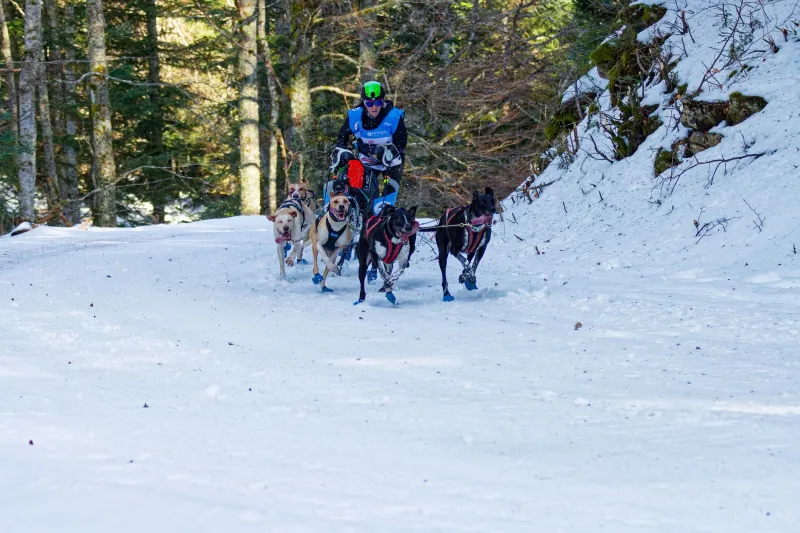
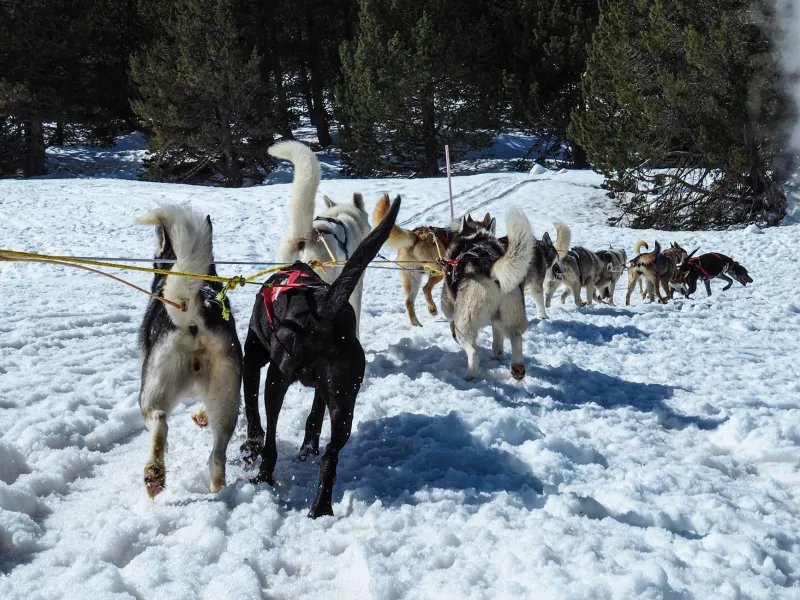
One variable that separates the Quest from purely human endurance events is that the musher's decisions affect — and are affected by — twelve or more other living beings. The dogs have their own rhythms, their own good days and bad ones, their own responses to cold, wind, and trail conditions. A team that looked strong at the start can shift significantly over the first 400 kilometres.
The mushers who navigate this best tend to share a particular quality: they're genuinely listening to their dogs rather than imposing expectations on them. When a dog's gait changes subtly, they notice. When the team's energy as a unit feels different — harder to read, but experienced mushers describe it clearly — they respond before it becomes a problem.
"My lead dog has always told me more than any weather report," one Quest finisher says. "I've learned to trust that. When she's telling me something, I listen, even if it means changing everything."
This attentiveness isn't just instinct — it's a skill developed over years of working closely with dogs. But it's also a mindset. Mushers who are rigidly attached to their original plan often miss those signals because they're not really looking for them.
Race Data and the DNF Pattern
A look at Quest finishing records across recent decades reveals some patterns worth noting. First-time competitors scratch at a higher rate than veterans — unsurprising, given the experience gap. But the reasons for first-timer scratches are instructive. Equipment failures and dog health issues account for some, but a notable proportion involve what race officials diplomatically describe as "strategic decisions" — mushers who make calls at checkpoints that, in retrospect, didn't account well for changing conditions.
Veteran mushers scratch too, of course. But their scratches are more often the result of genuine emergencies rather than compounding errors. Experience builds a kind of pattern recognition — an ability to distinguish between a situation that requires adaptation and one that requires stopping entirely.
That distinction matters enormously. Knowing when to push through a difficult stretch and when a scratch is the right call for the dogs' welfare is itself a form of adaptability. The Quest has never rewarded stubbornness for its own sake.
Running Wild Means Staying Flexible
The Yukon Quest asks something specific of the people who take it on: not just toughness, not just preparation, but a particular kind of mental suppleness. The ability to hold a plan loosely. To grieve its loss quickly and move on. To find the next best option in conditions that weren't in the forecast.
The mushers who cross the finish line in Fairbanks or Whitehorse aren't the ones who had the best plan. They're the ones who had the best response when the plan fell apart — which, on the Quest, it always does.