Fuel for the Frozen North: The Eating Habits That Keep Mushers Moving Through 1,000 Miles of Wilderness
There's a moment somewhere around the third day on the trail — when the temperature has dropped past -40°C and the nearest town is a memory — when food stops being about enjoyment and becomes purely about survival. Ask any veteran of the Yukon Quest and they'll tell you: what you eat out there might matter just as much as how well your dogs are running.
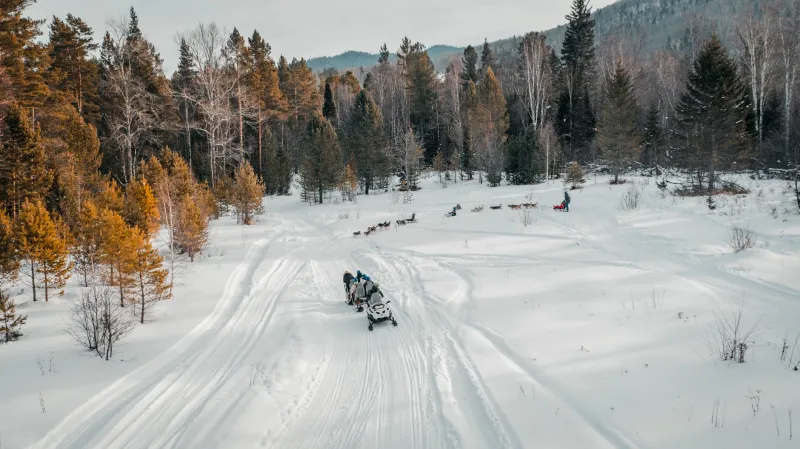
The Yukon Quest is one of the most physically demanding endurance events on the planet. Covering roughly 1,600 kilometres between Whitehorse, Yukon, and Fairbanks, Alaska — alternating direction each year — mushers spend anywhere from nine to fourteen days on the trail. They sleep in snatches, rarely more than a few hours at a stretch. They haul sleds, tend to their dogs, navigate in the dark, and push through temperatures that would shut down most outdoor activities entirely. The caloric cost of all that is staggering.
How Many Calories Does It Actually Take?
Sports scientists who've studied cold-weather endurance athletes estimate that a musher's body can burn upward of 6,000 to 8,000 calories per day during peak effort — roughly three to four times what an average Canadian adult needs. The cold alone forces the body to work overtime just to maintain core temperature. Add the physical labour of running alongside the sled on steep sections, loading and unloading gear at checkpoints, and the sheer mental strain of navigating a wilderness trail, and you've got an energy deficit that's almost impossible to fully close.
"You're always behind," says one veteran competitor who has run the Quest multiple times. "You eat everything you can get your hands on and you're still running a deficit by the end. The trick is managing how deep that hole gets."
That means food planning starts months before the race even begins.
The Art of the Drop Bag
Before the race kicks off, mushers prepare what are known as drop bags — carefully packed supplies shipped to each checkpoint along the route. These bags contain food for both the dogs and the musher, and packing them is something of a strategic art form.
Checkpoints like Braeburn Lodge, Carmacks, and Pelly Crossing offer varying levels of support, but mushers can't count on much beyond what they've packed themselves. The food needs to be calorie-dense, lightweight, and — critically — edible when frozen solid or quickly reheated over a camp stove.
Freeze-dried meals are a staple, but experienced mushers are quick to point out their limitations. "They're fine when you're sitting still and have time to properly rehydrate them," notes one competitor. "But on the trail, you're often eating on the move, and freeze-dried anything gets old real fast."
The real currency on the trail tends to be fat. Nuts, hard cheeses, salami, peanut butter, and full-fat chocolate bars are perennial favourites. Fat delivers more than twice the calories per gram compared to carbohydrates or protein, and it doesn't freeze as hard — a genuinely important consideration when you're pulling snacks out of a sled bag in -35°C weather and trying not to crack a tooth.
Checkpoint Comfort and the Unexpected Delicacies
For all the careful planning, some of the most memorable eating on the Quest happens spontaneously at checkpoints, where local volunteers and community members often put out food for arriving mushers. In smaller communities along the route — many of them First Nations villages with deep connections to the land and to working dog culture — this hospitality can be extraordinary.
Moose stew. Fresh bannock. Caribou soup. These aren't just calorie sources; they're a reminder of where you are and what the north is actually about. More than one musher has described arriving at a checkpoint cold and depleted, only to be handed a bowl of something warm and homemade that felt, in that moment, like the best meal of their life.
"There's something about checkpoint food that hits different," one competitor laughs. "I had a piece of pie at Carmacks once that I still think about. I have no idea what kind of pie it was. I don't care. It was incredible."
The Science of Eating While Exhausted
One of the trickier aspects of race nutrition is that extreme fatigue and cold can actually suppress appetite. The body is screaming for fuel, but the desire to eat fades. Experienced mushers learn to eat on a schedule rather than relying on hunger cues — treating food intake almost like a medical protocol.
Hydration is an equally critical piece of the puzzle that often gets overlooked. In cold, dry Arctic air, the body loses moisture rapidly through respiration alone. Dehydration compounds fatigue and impairs decision-making — two things no one can afford on a trail that punishes mistakes. Hot drinks, particularly tea and broth, serve double duty by delivering both fluids and warmth.
Some mushers have started working with sports nutritionists in the lead-up to the race, a relatively recent development that reflects the growing professionalism of the sport. Personalised nutrition plans, carbohydrate timing strategies, and even gut health protocols are now part of the conversation — though plenty of old-school competitors remain sceptical.
"My nutrition plan is: eat everything," jokes one veteran, who has finished the Quest multiple times. "Seriously though, I've tried the fancy stuff. Sometimes the best thing for you is just a big bag of trail mix and a thermos of coffee."
When the Plan Falls Apart
For all the preparation, the Quest has a way of upending the best-laid plans. Drop bags go missing. Stoves malfunction. A musher sleeps through a checkpoint stop and wakes up with nothing warm to eat. These are the moments that reveal what the race is really made of.
Creativity becomes survival. Mushers have been known to trade food with each other on the trail, barter snacks at checkpoints, and improvise meals from whatever happens to be on hand. The culture of sharing that exists among Quest competitors — even fierce rivals — is one of the sport's most quietly moving traditions.
At the end of the day, the Yukon Quest is a race that strips everything back to basics. You, your dogs, the trail, and the cold. What you eat to get through it says something real about who you are as an athlete and as a person. And if it happens to be a mystery slice of pie from a checkpoint in the Yukon interior — well, that's just part of the story.