Small Towns, Big Stakes: The Local Economies Riding on the Yukon Quest
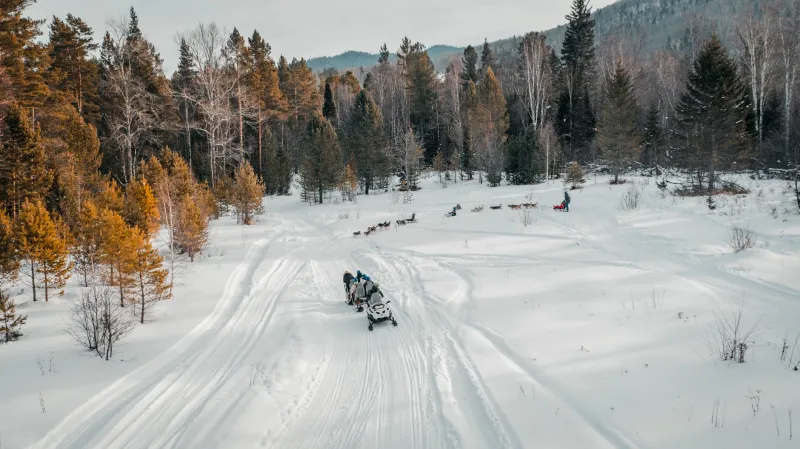
Every February, a thousand miles of frozen wilderness transforms into something that defies easy description. Dog teams materialize out of blizzards. Headlamps flicker through spruce forests at 3 a.m. And in communities so remote that the nearest Tim Hortons might be a four-hour drive away, cash registers start ringing in ways they simply don't at any other time of year.
The Yukon Quest is, at its core, a race. But for the towns and villages stitched along its route — from Whitehorse through Dawson City and across the border into Fairbanks — it functions as something closer to an annual economic engine. One that rumbles to life in January and keeps communities afloat long after the last team crosses the finish line.
Checkpoint Towns: More Than a Pitstop
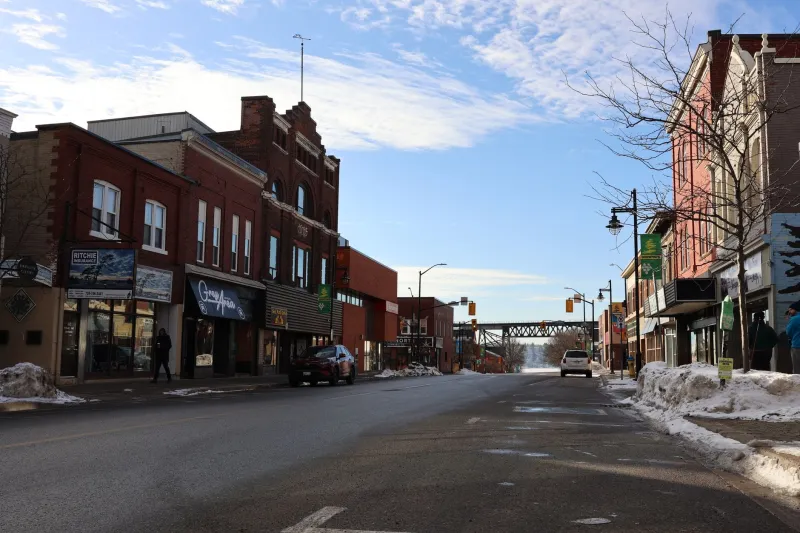
Take Carmacks, a small community of roughly 500 people nestled along the Yukon River. When the Quest rolls through, the population effectively doubles for a day or two. Local hotels fill up. The community hall hums with volunteers and media. The gas station — often one of the only commercial operations in town — logs some of its busiest hours of the year.
This pattern repeats itself at nearly every checkpoint along the trail. In Pelly Crossing, Braeburn, and Dawson City, business owners plan around the race the way coastal communities plan around fishing season. Inventory gets ordered weeks in advance. Extra staff are brought on. And for some operators, the revenue generated during race week represents a meaningful chunk of their annual income.
"You can't overstate what this race means to us," one Dawson City shop owner told us during a recent visit. "In the middle of winter, when tourism is otherwise pretty quiet, the Quest brings people in from all over Canada and the world. They eat here, they sleep here, they buy stuff here."
Dawson City, with its Gold Rush history and frontier character, is arguably the race's most iconic midpoint. Positioned at the confluence of the Yukon and Klondike Rivers, it draws spectators willing to make the trek just to watch mushers arrive in the early morning hours. Hotels book out. Restaurants run extended hours. And the cultural cachet of hosting the midpoint checkpoint gives local tourism operators a story to sell well into the summer season.
The Supply Chain Nobody Talks About
Beyond the checkpoint towns themselves, there's a broader web of local suppliers, outfitters, and service providers whose livelihoods are quietly intertwined with the race.
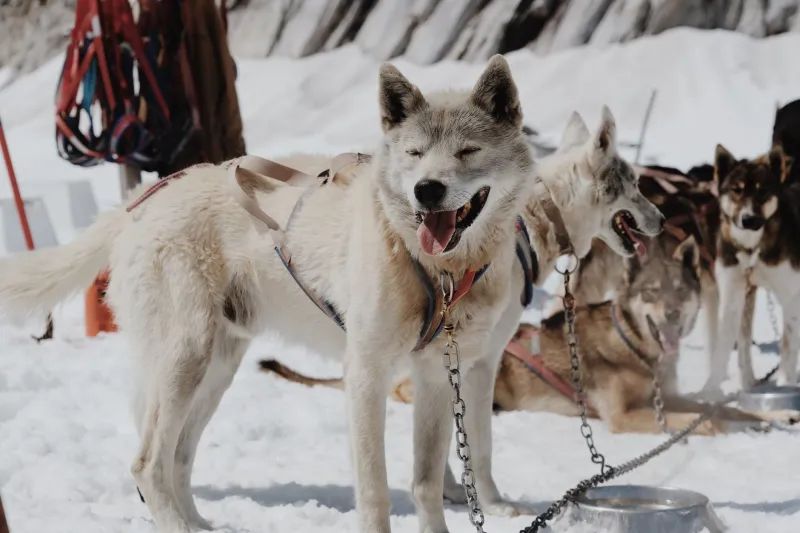
Mushing at the elite level is an equipment-intensive sport. Dog food — often high-fat, high-protein blends — needs to be drop-shipped to checkpoints in advance. Sleds require custom fabrication and repair. Harnesses, booties, and cold-weather gear for both mushers and dogs are sourced from a network of small-batch producers, many of them based in the Yukon and Alaska.
For these makers and suppliers, the Quest season is prime time. Local sled builders in Whitehorse report a noticeable uptick in orders and repair work in the months leading up to the race. Nutritional suppliers who specialize in working-dog diets see similar spikes. Even veterinary supply companies note increased demand as mushers stock their drop bags with medications, joint supplements, and first-aid essentials.
Then there's the media and content economy. Journalists, photographers, and filmmakers — some from major Canadian outlets, others running independent adventure channels — descend on the trail and need accommodation, transport, and local guides. Their presence injects additional spending into communities that rarely attract that kind of attention.
The Infrastructure Argument
Here's something that doesn't get talked about enough: the Quest's presence along a given route has, over the years, contributed to conversations about infrastructure investment in remote communities. When a checkpoint needs reliable communications so race officials can track teams, that sometimes means improved connectivity for the residents who live there year-round. When a trail needs to be maintained for race passage, local snowmobile clubs and trail associations benefit from the upkeep.
It's not always a direct line of cause and effect, and communities are right to advocate for infrastructure on its own merits. But the race creates a recurring, visible reason for outside attention to be paid to places that are too often overlooked in policy discussions.
For Indigenous communities along the route — including First Nations in the Yukon who have deep historical ties to the land the trail crosses — the race can also be a platform for cultural visibility. Local knowledge, traditional trail expertise, and Indigenous-owned hospitality businesses all have a role to play in the Quest ecosystem, though there's always more work to be done to ensure that relationship is genuinely reciprocal.
The Off-Season Dividend
Perhaps the most underappreciated economic effect of the Yukon Quest is the one that plays out in July, not February. The race generates content — documentary footage, magazine features, social media posts, blog entries — that circulates long after the dogs have been loaded back into their trucks. That content functions as tourism marketing for communities that couldn't otherwise afford it.
Visitors who discover Dawson City or Carmacks through Quest coverage sometimes return in the summer to experience the Midnight Sun and the Klondike's living history. Travellers who follow mushers on social media become curious about the places those mushers pass through. It's a slow, organic form of destination marketing, but in a region where every tourist dollar matters, it adds up.
The Yukon Quest will never be the Yukon's entire economic story. But for the communities where the trail meets the wild — where the sound of dog bells in the dark is one of the most reliable signs that the season has turned — it's a chapter that nobody can afford to skip.
And every February, when the teams leave the start line and the crowds thin out and the trail goes quiet again, the receipts tell a story that the race results never quite capture.