Years in the Making: The Real Timeline to Racing the Yukon Quest
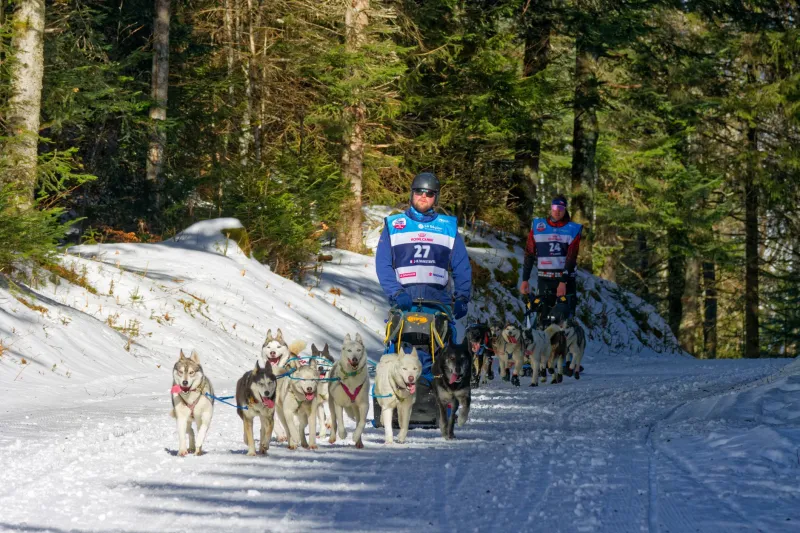
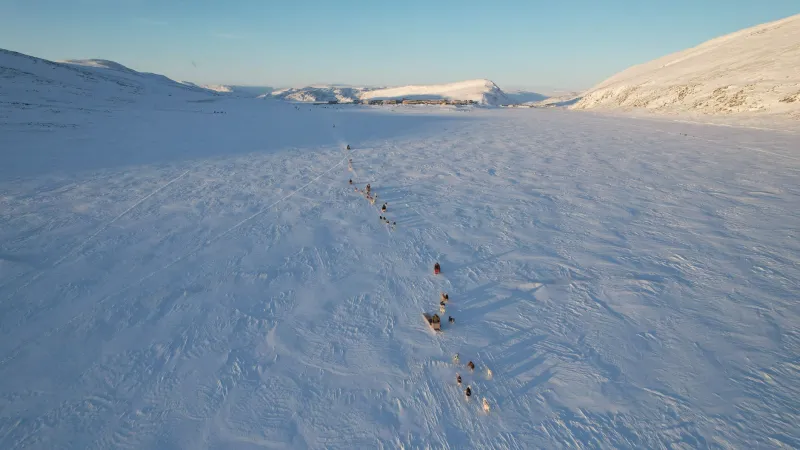
Let's get one thing straight: nobody wakes up one morning, decides they want to run the Yukon Quest, and lines up at the start six months later. The 1,600-kilometre race between Whitehorse and Fairbanks is considered one of the most demanding endurance events on earth — not just for the athletes, but for the dogs. The preparation timeline reflects that reality.
If you're serious about racing the Quest, you're probably looking at a minimum of three to five years of dedicated work before you're genuinely ready. Here's a realistic breakdown of what that journey looks like.
Year One: Start at Zero (And That's Fine)
Get around dogs. Lots of dogs.
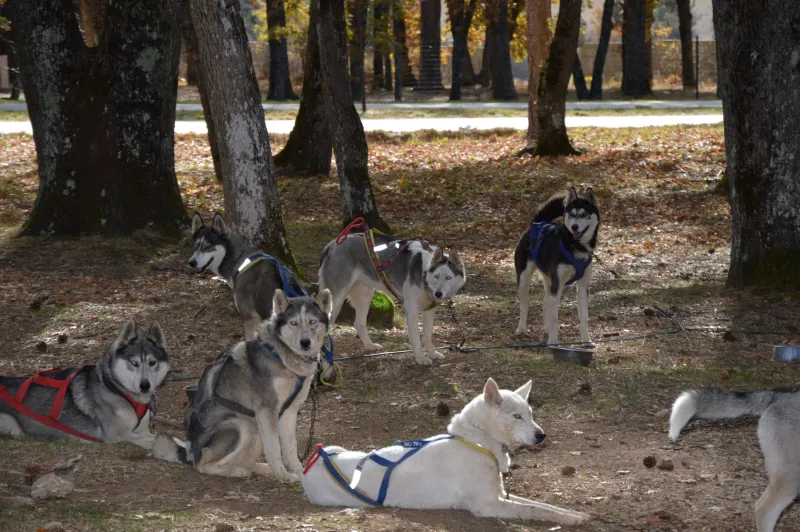
If you don't already have hands-on experience with sled dogs, Year One is about immersion. Volunteer at a kennel. Apprentice with an experienced musher. Attend races as a handler, not a spectator. The goal isn't to drive a team — it's to understand how dogs think, how they communicate, and how a healthy kennel actually operates.
Learn the basics of dog care.
Nutrition, foot care, harness fitting, recognizing signs of injury or fatigue — these aren't things you pick up in a weekend course. Spend time with veterinarians who specialize in working dogs. Read everything you can find. Ask questions constantly.
Begin your own physical conditioning.
Mushers aren't just passengers. They're athletes who need stamina, core strength, and the mental fortitude to function on minimal sleep in extreme cold. Start building a base of cardiovascular fitness through running, cycling, or skiing. Strength training matters too — you'll be pushing, braking, and hauling gear for days at a stretch.
Year Two: Build Your Own Team
Acquire your first dogs thoughtfully.
This is where things get expensive and deeply personal. Building a competitive Quest kennel takes years and requires careful attention to lineage, temperament, and physical attributes. Most experienced mushers will tell you to start small — six to eight dogs — and grow gradually as your skills and resources allow.
Run local and regional races.
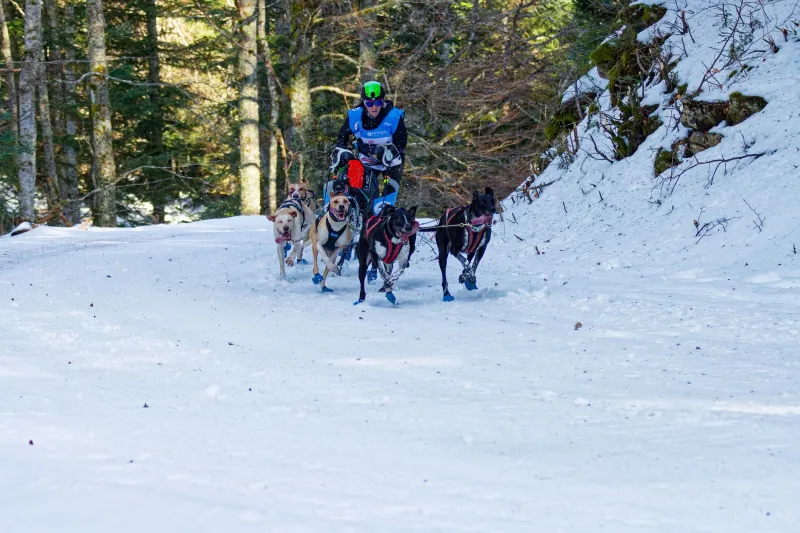
Yukon, Northern BC, and the Northwest Territories all host shorter distance races that are excellent proving grounds. Events in the 100–300 kilometre range teach you how to manage a team over multiple days, how to read conditions, and how to make decisions when you're tired and the weather is turning.
Develop your gear kit.
Sled selection, layering systems, emergency equipment — your kit needs to be tested in real conditions, not just theorized about. What works in a weekend training run might fail completely in a multi-day race. Year Two is the time to figure that out before the stakes are high.
Year Three: Mid-Distance Races and Serious Assessment
Target 500–800 kilometre qualifying events.
The Yukon Quest has qualifying requirements for a reason. Races like the Percy DeWolfe Memorial Mail Race or the Copper Basin 300 in Alaska give you a taste of the logistical complexity and physical grind that the Quest demands — but with a shorter runway for error.
Evaluate your dogs honestly.
Not every dog is built for 1,600 kilometres. Year Three is when you start making hard calls about which animals in your kennel have what it takes and which ones are better suited to shorter distances. This isn't a reflection of the dogs — it's a matter of match-fit.
Work on your mental game.
Physical preparation gets most of the attention, but mushers consistently say the psychological demands of the Quest are what separate finishers from DNFs. Sleep deprivation, decision fatigue, isolation, and self-doubt are all part of the package. Developing strategies to manage your headspace — whether through meditation, journalling, or working with a sports psychologist — is time well spent.
Year Four: Targeted Quest Preparation
Study the trail obsessively.
Every section of the Quest route has its own character. The Takhini River. King Solomon's Dome. The Fortymile Country. Learn the terrain, the common hazards, the checkpoint logistics. Talk to mushers who've run it. If possible, travel sections of the trail in the off-season.
Nail down your nutrition and drop bag strategy.
What you eat and what your dogs eat over 10–14 days in extreme cold is a science unto itself. Caloric density, palatability at -40°C, preparation time at checkpoints — all of it needs to be planned and tested. Most experienced Quest mushers spend months dialling in their food strategy.
Run a full qualifier and debrief hard.
By Year Four, you should be completing a full qualifying race and treating it as a dress rehearsal. What went wrong? What surprised you? Where did your dogs shine and where did they struggle? Honest debriefing is how good mushers get better.
Year Five: Race Ready (Maybe)
Here's the honest truth: some people are ready to enter the Quest after three years of serious work. Others need six or seven. The timeline above is a framework, not a guarantee. What matters more than the calendar is your actual competency — with your dogs, with the trail, and with yourself.
The Quest isn't a race you survive by accident. It rewards preparation, humility, and a genuine relationship with the wilderness. If you're putting in the work, the start line will be there when you're ready for it.
And when you finally cross it — bib on, dogs barking, cold air filling your lungs — every single year of preparation will make sense.