Against All Odds: The Underdogs Who Shook the Yukon Quest to Its Core
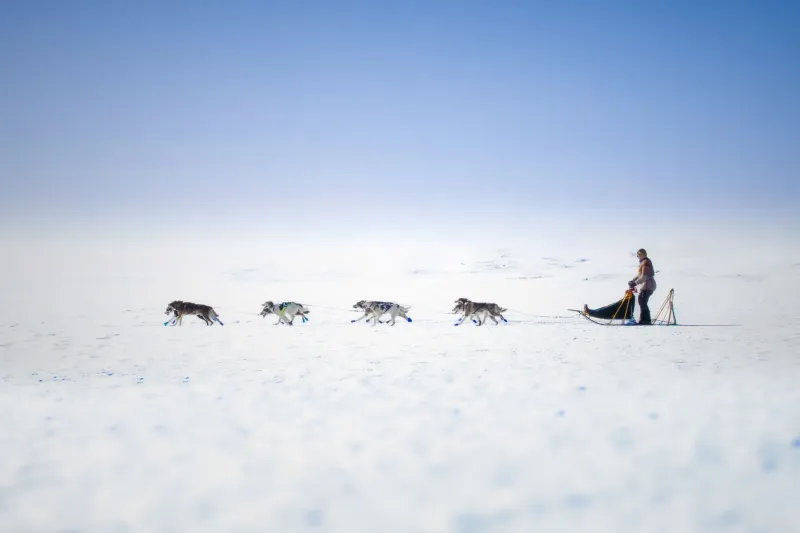
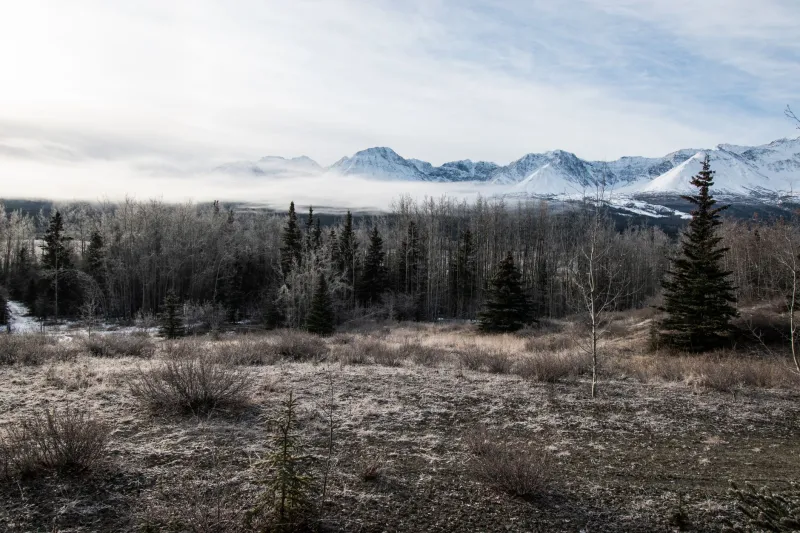
There's something about the Yukon Quest that strips away pretence. A thousand miles of boreal forest, frozen rivers, and mountain passes don't care how much your sled cost or how many times your name has appeared in the pre-race rankings. Out there, between Whitehorse and Fairbanks, the trail has a way of humbling the favourites and lifting up the ones nobody saw coming.
Those are the stories that stick. Not the dominant runs by well-funded veterans — though those deserve their due — but the moments when someone arrived with fewer dogs, a smaller crew, a heavier personal burden, and somehow crossed the finish line ahead of everyone who was supposed to beat them.
What Makes an Upset on the Quest Trail
In most sports, an upset is a scoreboard surprise. In the Yukon Quest, it's something deeper. The race unfolds over days, not hours, and the margins of victory can be razor-thin after more than a week of continuous travel through some of the most punishing terrain on the planet. An underdog victory here isn't just about athletic talent — it's about dog care, route reading, rest strategy, and the kind of calm decision-making that only comes from truly knowing yourself and your team.
That complexity is part of what makes the Quest's upset stories so compelling. When someone pulls off a shocker on this trail, it usually means they got a dozen small things right while the favourites got a few of them wrong.
The First-Timers Who Arrived Without a Script
Every so often, a musher shows up to the Quest start line as a relative unknown — maybe they've done regional races, maybe they've spent years quietly building a kennel in some corner of northern British Columbia or the Yukon — and they simply refuse to race like they're supposed to lose.
These first-time podium finishers have appeared more than once in Quest history, and they tend to share a few traits. They're patient. They don't get rattled when the big names push hard early. They trust their dogs with an almost stubborn confidence. And they've often done their homework on the trail itself in ways that don't show up in any official stat sheet.
What separates them from the field isn't always speed — it's the ability to stay steady when everything around them is chaos.
When the Trail Became the Great Equaliser
The Quest has a long memory for the races where conditions turned the established order upside down. Brutal cold snaps, overflow on river sections, unexpected overflow ice, or a sudden warm spell that softened the trail — these variables don't discriminate. A champion with ten Quest finishes can get caught out just as badly as a rookie if they misread the signs.
Some of the race's most memorable upsets have come precisely in those moments. A frontrunner pushes too hard through a difficult section and pays for it with exhausted dogs. A mid-pack musher, running a more conservative pace, arrives at a checkpoint looking fresher than anyone expected. Suddenly the race math changes completely.
That's the Quest doing what it does best — reminding everyone that the trail always has the final say.
Overcoming the Resource Gap
Not every musher arrives at the start line with the same support structure. Some teams have experienced handlers, deep dog rosters, and sponsors covering logistics. Others are running on community support, personal savings, and a whole lot of belief.
The Quest has seen both kinds win — or come startlingly close to winning. There's a particular kind of satisfaction that comes with watching a smaller operation punch well above its weight, managing every detail with precision because they can't afford to waste anything. Those teams tend to run lean and smart, and occasionally that leanness becomes their advantage.
In Canadian mushing culture, where the sport is deeply rooted in northern communities with real ties to working dog traditions, those stories resonate especially hard. They feel authentic in a way that big-budget operations sometimes don't.
Personal Adversity and the Will to Finish Strong
Some of the Quest's most affecting underdog narratives aren't purely about winning. They're about mushers who came into the race carrying something heavy — illness, loss, a string of bad seasons — and found something on the trail that pushed them past what they thought they could do.
The Quest has always attracted people who are drawn to difficulty. But there's a difference between choosing difficulty and being thrown into it. Watching someone navigate genuine adversity — and not just survive but actually compete — is the kind of thing that stays with you long after the race is over.
These stories are part of why the Quest has built such a loyal following across Canada and beyond. People connect with the human element, with the idea that the trail can be a place of genuine personal transformation, not just athletic competition.
Why the Upsets Keep Happening
The Yukon Quest hasn't been smoothed out by data analytics or uniform course conditions. It's still fundamentally wild, still subject to the same unpredictable forces that have always governed travel in the North. That wildness is what keeps the race honest.
As long as the Quest route winds through mountain passes and frozen rivers, as long as mushers have to make judgment calls in the dark at minus forty, there will be upsets. There will be favourites who fade and unknowns who surge. The trail will keep producing its surprises.
And honestly? That's exactly the way it should be.
The Quest wouldn't be the Quest if the outcome was always predictable. The upsets aren't anomalies — they're proof that this race is still, at its heart, a genuine test. One where grit and strategy and the bond between a musher and their dogs can matter more than reputation or resources.
That's the part of the story worth telling, every single year.