Born to Run: The Complex Science and Ethics of Building a Yukon Quest Dog Team
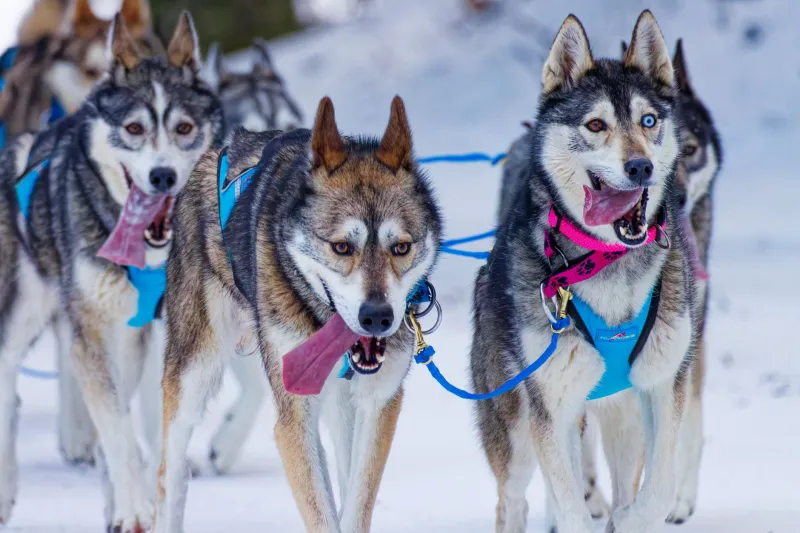
There's a dog standing in a kennel somewhere in the Yukon right now that was bred specifically for one purpose: to run across some of the most hostile terrain in North America, day after day, in temperatures that would ground commercial aircraft. She doesn't know this yet. She's probably wrestling with a littermate or chewing something she shouldn't be. But her entire genetic inheritance — her lung capacity, her foot structure, her coat density, her temperament — was shaped by decisions made long before she was born.
Sled dog breeding for the Yukon Quest is equal parts science, tradition, and ongoing ethical reckoning. And it's a lot more complicated than most people realize.
What Makes a Quest Dog Different
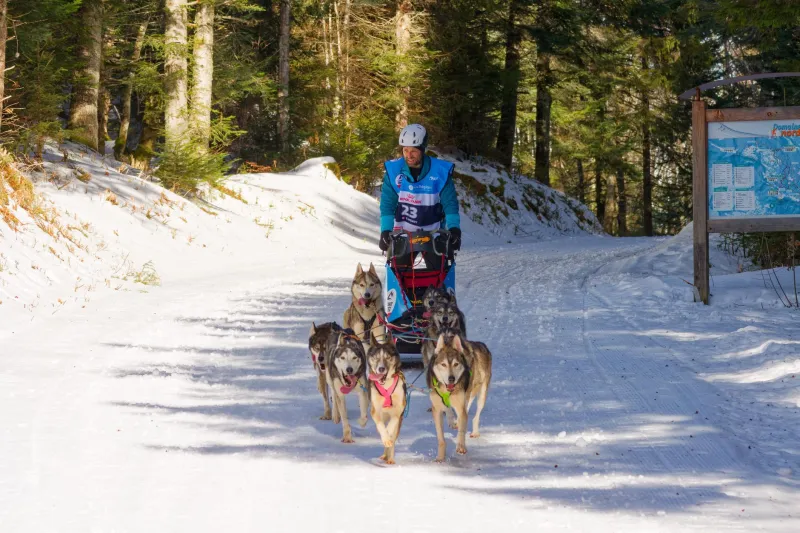
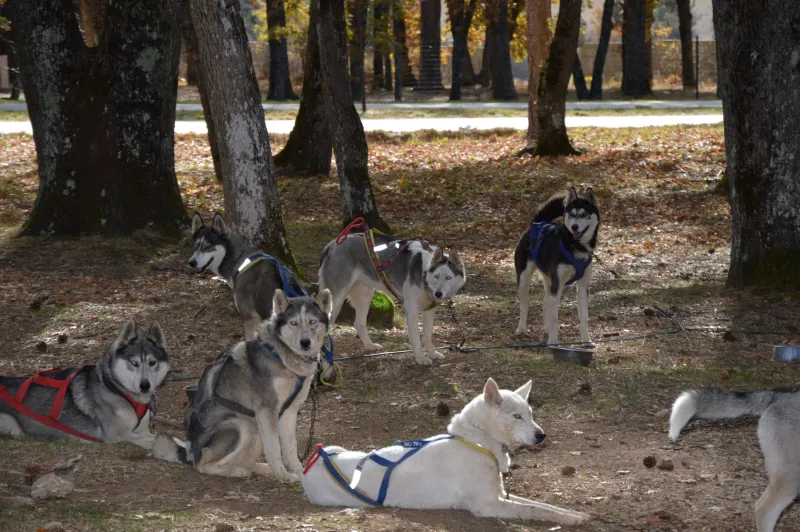
Forget the image of a purebred Siberian Husky pulling a pretty sled through postcard snow. The dogs that compete in the Yukon Quest are typically Alaskan Huskies — a mixed-breed working dog that isn't recognized by any kennel club but is, by nearly every performance metric, the most capable long-distance sled dog ever developed.
Alaskan Huskies are the product of decades of selective breeding focused entirely on function. Speed, endurance, attitude, recovery rate, and the ability to eat and sleep in extreme cold are the traits that matter. Breeders have historically crossed Siberian Huskies with Greyhounds for speed, with pointers and other sporting breeds for drive, and with village dogs from Indigenous communities across the North for hardiness and cold-weather adaptation.
"You're not breeding for looks. You're not breeding for a breed standard," explains one veteran Canadian musher and breeder based in the southern Yukon. "You're breeding for performance. And the Quest is the ultimate performance test. If a dog can finish the Quest in good condition, that animal's genetics are worth something."
Modern breeders increasingly use tools borrowed from human sports science. VO2 max testing, cardiac screening, and gait analysis are becoming more common in top-tier kennels. Some are beginning to explore genetic testing to identify markers associated with metabolic efficiency and injury resistance. The science is still young, but the direction is clear: breeding decisions that were once based purely on observation and instinct are increasingly informed by data.
The Genetics of Endurance
Dr. Erica Huson, a researcher who has studied sled dog genetics extensively, found that elite racing Alaskan Huskies carry a specific variant of a gene involved in fat metabolism that's rarely seen in other dog breeds. This variant allows them to switch rapidly between metabolic fuel sources — burning fat with extraordinary efficiency during sustained effort. It's one of the biological reasons these dogs can perform at high intensity for hours on end while maintaining healthy body weight.
For breeders, understanding this kind of genetic underpinning has practical implications. Pairing two dogs who both carry high-performance metabolic traits increases the likelihood of producing offspring with similar capacity. But genetics is never simple. The same pairing might also concentrate risk factors for certain joint conditions or temperament challenges. Every breeding decision involves trade-offs.
"The best breeders I know treat it like a long game," says a veterinarian who works with several Quest kennels in British Columbia and the Yukon. "They're not just thinking about the next litter. They're thinking about where their bloodlines will be in ten or fifteen years."
Ethical Debates: Where the Sport Is Being Challenged
Breeding dogs for extreme athletic performance is not without its critics, and the sled dog community in Canada is having increasingly frank conversations about animal welfare that would have been considered fringe discussions a generation ago.
Animal welfare advocates have raised questions about the physical demands placed on Quest dogs, the conditions in which kennel dogs are kept, and the fate of dogs who don't make competition teams. These aren't abstract concerns. The Yukon Quest has strict veterinary protocols and mandatory welfare checks that are among the most rigorous in sled dog racing, but the broader industry — including recreational mushing and smaller races — operates with far less oversight.
"The Quest has actually been a positive force on welfare standards," argues one animal welfare researcher who has studied the sport. "The mandatory vet checks, the dropped dog protocols, the attention to foot care and hydration — these practices have raised the bar. But there's still work to do on the kennel side, on what happens to dogs across their whole lives, not just during the race."
Some breeders are proactively addressing retirement and rehoming as part of their kennel culture. Organizations that place retired sled dogs in pet homes have grown significantly in recent years, and many Quest mushers are vocal advocates for these programs. The narrative is shifting from dogs as equipment to dogs as athletes with lives that extend beyond competition.
Advice for New Mushers
If you're dreaming of building your first competitive team, experienced breeders have some consistent advice: start with temperament, not speed.
A dog that loves to run, that comes to the harness willingly, that bonds with its musher and handles stress well — that dog will outperform a faster animal with a difficult disposition every time on a race as long and demanding as the Quest. Physical attributes matter, but they're secondary to the psychological profile of the individual dog.
Buying from established kennels with documented lineages, getting your dogs into gradual training early, and building relationships with experienced mentors in the mushing community are all steps that new competitors consistently cite as essential. The Quest has a culture of knowledge-sharing that's genuinely unusual in competitive sport — most top mushers will talk openly about their dogs, their training methods, and their mistakes.
"Nobody gets through this race alone," one multi-time finisher noted. "Not the musher, and not the dogs. You build a team over years. You learn what each dog needs. And if you're doing it right, by the time you hit the trail, you trust those animals completely. That trust doesn't come from breeding. It comes from time."
The dogs born in kennels across the Canadian North this year might be on the Quest trail in three or four years. Some of them will surprise everyone. That's always been the beauty of it.