Running Side by Side: The Fierce Rivalries That Defined the Yukon Quest
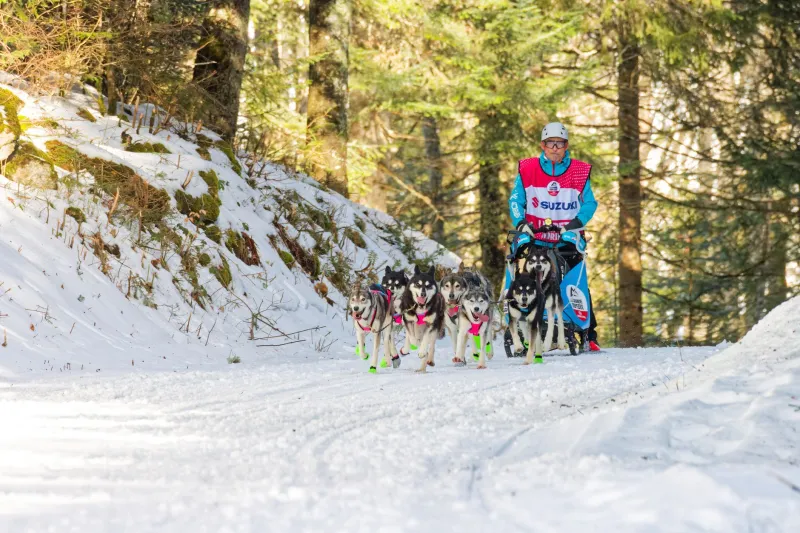
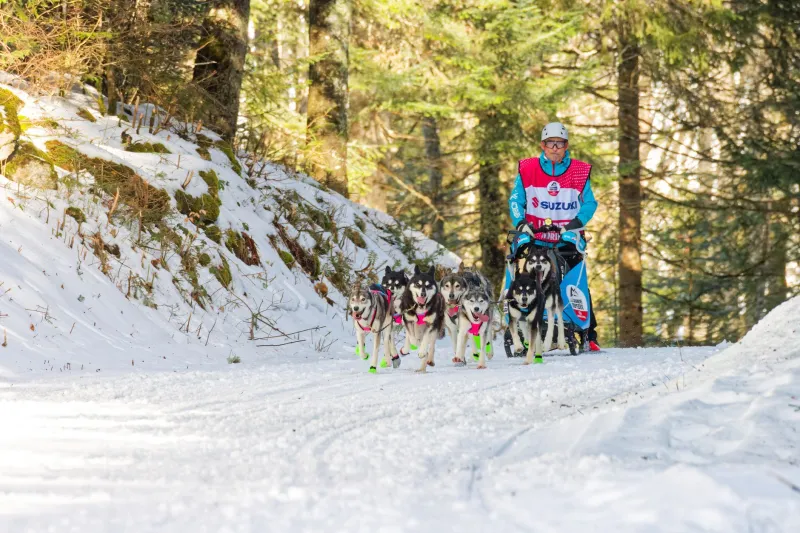
There's a particular kind of pressure that builds when you've been trading the lead with someone for three straight days across the frozen Yukon wilderness. The temperature is sitting somewhere south of minus-40, your dogs are reading the trail better than any GPS ever could, and somewhere behind you — or maybe ahead, you can't quite tell anymore — is the one person who knows exactly what you're going through because they're going through it too.
That's the Yukon Quest. And that's what a real rivalry looks like out here.
Unlike the sanitized drama of mainstream sport, the rivalries forged along this 1,600-kilometre trail between Whitehorse and Fairbanks are something rawer. There are no press conferences, no trash talk on social media, no locker room politics. Just two mushers, their dogs, and a thousand miles of wilderness deciding who wants it more.
When Lance Met Frank: A Decade of Friendly War
If you ask any longtime Yukon Quest follower to name the rivalry that shaped the modern race, most of them will bring up the years when Lance Mackey and Hans Gatt were trading podium finishes like hockey cards. But before that era, it was the quiet, grinding competition between a handful of veteran Canadian and Alaskan mushers that set the template for what a Quest rivalry could look like.
The beauty of those early matchups was how little was said and how much was communicated. Mushers would pull into a checkpoint, clock the condition of their competitor's dogs, note the body language of the team, and adjust their own strategy accordingly. It wasn't just a physical race — it was a chess match played out across boreal forest and mountain passes.
Veterans who raced during those formative years often describe a mutual respect that made the competition sharper, not softer. "You wanted to beat them, but you also didn't want them to scratch," one former competitor recalled. "The rivalry only means something if the other person finishes."
The Mackey Years: Dominance With a Human Face
Lance Mackey's run of consecutive victories in the mid-2000s is the stuff of Yukon Quest legend. But dominance in isolation isn't a rivalry — it's just a résumé. What made Mackey's era genuinely compelling was the rotating cast of challengers who came within striking distance before the trail had its say.
Mushers like William Kleedehn and Sebastian Schnuelle pushed Mackey in ways that exposed both his brilliance and his vulnerability. Schnuelle, a German-born musher who made his home in the Canadian North, was particularly relentless. His methodical, almost scientific approach to dog care and pacing stood in sharp contrast to Mackey's more instinctive style, and the tension between those two philosophies played out memorably on the trail.
There were stretches during those races where the two teams were separated by less than an hour after days of travel. Every rest decision, every feeding schedule, every read of a dog's gait became a potential turning point. It was endurance sport at its most elemental.
What Makes a Quest Rivalry Different
In most sports, rivalries are built in stadiums and arenas, in front of crowds who amplify every moment. The Yukon Quest does it differently. The defining moments often happen in near-total isolation — on a frozen river at 3 a.m., on a windswept mountain summit with no witnesses except the dogs.
That changes how the competitors experience the rivalry, and how they remember it. There's no instant replay, no highlight reel. Just the memory of a headlamp appearing in your rear-view mirror when you thought you had a comfortable lead, or the strange mix of relief and disappointment when you pull into a checkpoint and learn your closest competitor scratched two hours back.
For Canadian mushers especially, there's an added layer of identity at play. Racing a trail that cuts through First Nations territory, through communities like Dawson City that have their own deep connections to the land and to dog mushing culture, carries weight. The rivalry isn't just between two people — it's between two visions of what it means to travel this country the hard way.
The Next Generation: New Names, Same Fire
The Quest has always refreshed itself with new blood, and the rivalries of the past decade reflect a younger, more globally diverse field. Mushers from across Canada, the United States, and Europe have brought different training traditions and team-building philosophies to the trail, creating matchups that older veterans find genuinely exciting to watch.
What hasn't changed is the fundamental dynamic: two people who have spent years preparing for this race, who respect each other's commitment, and who will absolutely not give an inch when the moment calls for it. The names at the front of the pack shift, but the intensity doesn't.
Young Canadian mushers coming up through the ranks talk about studying the rivalries of previous generations the way hockey players study old Stanley Cup footage. There's a lineage to it, a sense that to compete at the front of the Quest field means joining a specific conversation that's been going on for decades.
The Finish Line Is Just the Beginning
Here's the thing about Yukon Quest rivalries that outsiders sometimes miss: they rarely end at the finish line in Whitehorse or Fairbanks. The competitors who've pushed each other hardest on the trail often become the closest friends off it. There's a brotherhood and sisterhood forged in shared suffering that transcends competition.
Musher after musher will tell you the same thing — that the person they battled hardest for a thousand miles is also the person they'd call first if something went wrong out there. The trail has a way of burning away everything that isn't essential, and what's left is a kind of respect that goes well beyond sport.
That might be the most distinctly Yukon Quest thing about all of it. In a race where the wilderness is always the ultimate opponent, the rivals you face are also, in some sense, your allies. You're all out there together, running side by side through one of the most demanding environments on earth, trying to do something that most people will never attempt.
The dogs know it. The mushers know it. And anyone who's stood at a checkpoint at midnight, watching two teams roll in minutes apart with their breath hanging in the Arctic air, knows it too.
This is where the trail meets the wild — and where the best rivalries in endurance sport are still being written.