Wired for the Wild: The Tech Gear Quietly Changing What It Means to Race the Yukon Quest
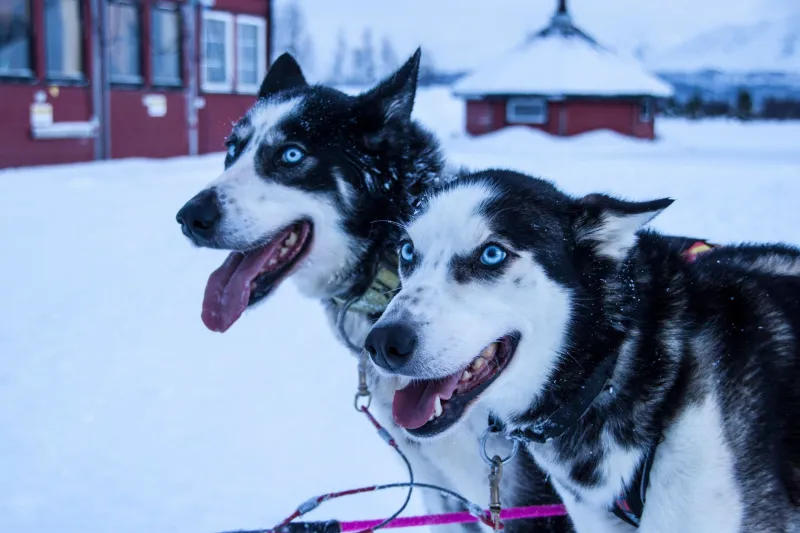
Mike Douris doesn't look like a tech evangelist. He's standing in his dog yard outside Whitehorse on a January morning, hauling a frozen chunk of meat from a storage shed while a chorus of huskies voices its enthusiastic approval. But ask him about the satellite communicator clipped to his chest harness, or the composite sled frame he's been testing for the past two seasons, and his eyes light up in a way that has nothing to do with the cold.
"People think technology and the Quest are opposites," he says. "But every great musher who ever ran this race used the best tools available to them. The tools just look different now."
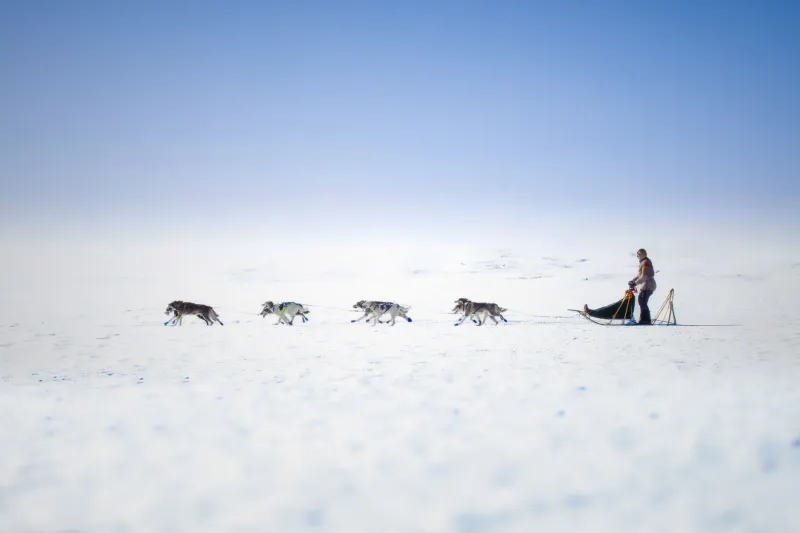
The Yukon Quest has always occupied a particular place in the sled dog racing world — rawer and more remote than the Iditarod, with fewer checkpoints, longer stretches of unsupported wilderness, and a reputation for demanding genuine self-sufficiency from its competitors. That identity has made it a natural flashpoint for the broader conversation happening across adventure sports: how much technology is too much, and at what point does innovation start to undermine the thing that makes the challenge meaningful in the first place?
What's Actually Changed on the Trail
The most visible shift in recent years has been in communications and tracking technology. GPS tracking devices — now required by race organisers for safety and spectator engagement — have transformed how fans follow the race in real time. But for mushers, the more significant development has been the availability of reliable satellite communication tools that allow two-way contact with support teams during the race.
This is where opinions diverge sharply. Race rules prohibit outside assistance that would give competitors an unfair advantage, but the line between permitted communication and prohibited support can be blurry. A musher checking in with a spouse is different, in theory, from one receiving detailed trail condition reports from a ground crew — but in practice, policing that distinction is complicated.
"I'm not against safety communication," says veteran musher Lena Hartwell, who has run the Quest seven times and is openly sceptical of some newer technologies. "But there's a reason we used to say the Quest was just you and your dogs and the trail. When you can text someone in Fairbanks and ask what the river ice is like ahead of you, that's not quite the same race anymore."
Hartwell's concern isn't just philosophical. She argues that part of what the Quest tests — and what makes finishing it genuinely meaningful — is the capacity to make good decisions with incomplete information, in the dark, when you're exhausted. Technology that fills in those gaps changes the fundamental nature of the test.
The Sled Itself: A Workshop Revolution
While the communications debate plays out at the policy level, quieter innovations are happening in workshops and garages across the Yukon and Alaska. Sled design has evolved significantly over the past decade, with lightweight composite materials replacing traditional wood-and-lashing construction in many competitive builds.
Modern high-performance sleds can be dramatically lighter than their traditional counterparts while maintaining the flexibility needed to absorb the punishment of rough trail conditions. That weight saving matters — every kilogram a dog team doesn't have to haul is energy saved over 1,600 kilometres.
Vancouver-based gear designer Callum Reid has been working with several Quest competitors on custom sled builds for the past three seasons. "The physics haven't changed," he explains. "You still need a sled that flexes in the right places, tracks well, and doesn't beat up the musher on rough overflow ice. What's changed is the materials science — we can now build something that does all of that at half the weight."
Not everyone is convinced the new materials hold up as well as traditional builds in true Arctic conditions. Wood, some mushers point out, has a long history of being repairable in the field with basic tools. A cracked composite frame in a remote stretch of trail is a different problem entirely.
Dog Care: The Tech That Most Competitors Agree On
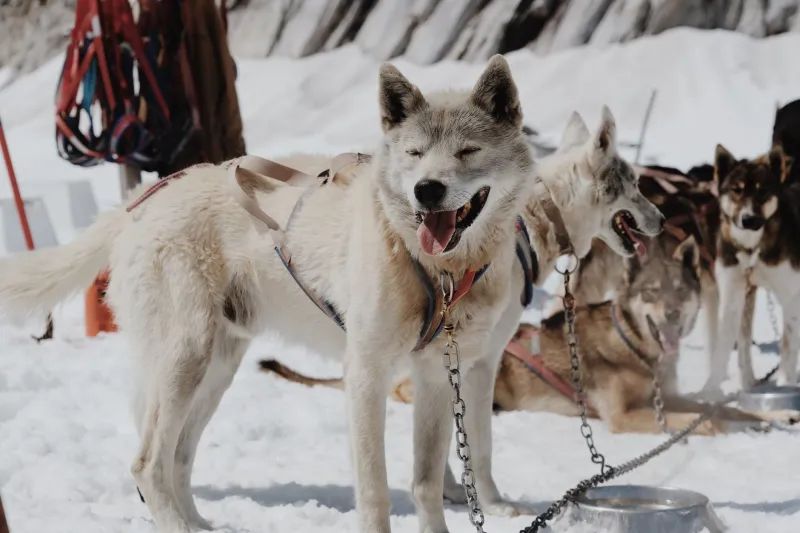
If there's one area where technological innovation has faced the least resistance, it's in the care and monitoring of the dogs themselves. Heart rate monitors, GPS-enabled dog tracking harnesses, and improved veterinary diagnostic tools have all been welcomed enthusiastically by a mushing community that is deeply invested in canine welfare.
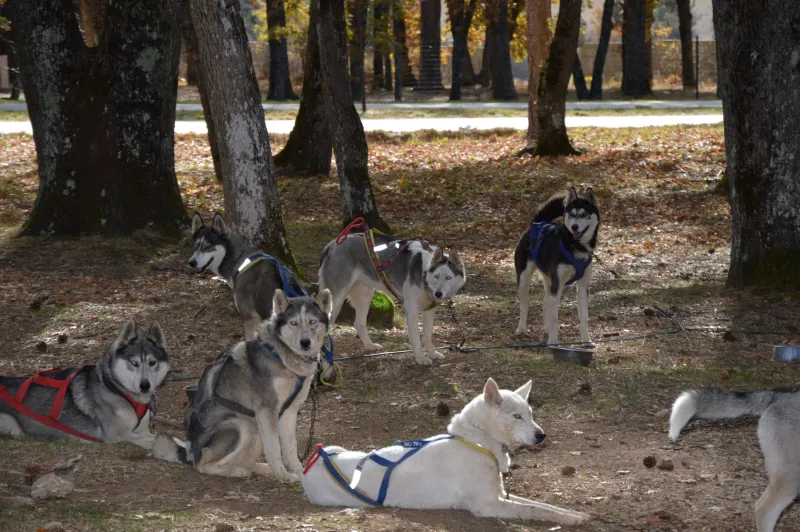
Advanced bootie materials have reduced paw injuries on abrasive trail surfaces. Improved harness designs distribute load more efficiently across a dog's body. And sports science approaches borrowed from human endurance athletics — including periodised training plans and recovery nutrition protocols — are increasingly common among serious competitors.
"Nobody argues against better dog care," says Douris. "That's the one place where the old guard and the new guard completely agree. If a piece of technology makes life better for the dogs, you use it."
Race veterinarians have noted that the overall health profile of dog teams arriving at checkpoints has improved over the past decade, a trend most attribute to better preparation and more sophisticated care practices — technology included.
Finding the Balance
The Yukon Quest's organising body has been navigating this tension carefully, updating equipment rules to reflect new realities while trying to preserve the race's core character. It's a balancing act familiar to any sport grappling with innovation — from cycling's debates over aerodynamic equipment to sailing's arguments about foiling technology.
What makes the Quest's version of this debate particularly interesting is the backdrop: a 1,600-kilometre wilderness route through some of the most unforgiving terrain in North America, a landscape that has a way of humbling the most sophisticated gear when temperatures drop and storms roll in.
Hartwell, for all her scepticism, acknowledges that the sport has always evolved. "The mushers who ran this race in the 1980s would think some of what we use today is cheating too," she says with a slight smile. "Maybe that's just how it goes."
Douris, loading his sled for a training run as the morning light finally breaks over the mountains, offers a simpler take. "The trail doesn't care what you're running on or what's in your pocket. It's still the same trail. The cold is still the same cold. The dogs still need you to make good decisions."
That, at least, hasn't changed — and probably never will.