Gold Rush Ghosts and Dog Sled Runners: The Race That Refuses to Let the Yukon Forget
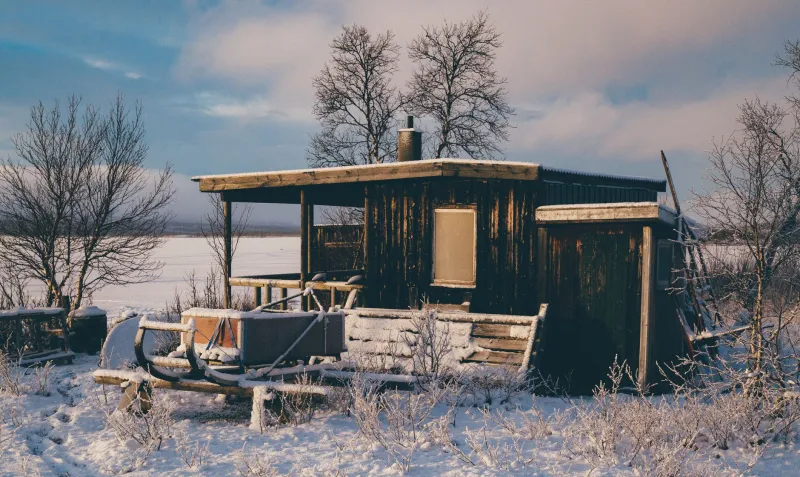
There's a particular kind of quiet that settles over an abandoned town. It's not the same as ordinary silence. It carries weight — the compressed memory of thousands of voices, pickaxes, and promises that once filled the same air now occupied only by wind and spruce. Along the Yukon Quest trail, that silence gets interrupted every February in a way that no other event on earth can replicate.
For roughly a thousand miles between Fairbanks and Whitehorse, the Quest winds through some of the most historically loaded terrain on the continent. Gold rush-era settlements — some reduced to a single standing structure, others to little more than a depression in the snow — line the route like waypoints through a living museum. And whether race organizers intended it or not, the event has quietly become one of the most powerful preservation forces these communities have ever known.
What's Left Behind When the Gold Runs Out
The Klondike Gold Rush didn't just reshape the Yukon's geography — it built entire towns out of ambition and raw labour almost overnight. Places like Fortymile, Dawson City, and dozens of smaller settlements between them exploded in population during the 1890s and early 1900s, drawing prospectors from across Canada, the United States, and beyond.
When the gold thinned out, most people left just as fast as they'd arrived. What remained were cabins, storefronts, churches, and the bones of an economy that had burned bright and brief. Some communities managed to hold on — Dawson City, now a checkpoint on the Quest route, still draws visitors with its preserved Victorian storefronts and a population fiercely proud of its heritage. But others didn't fare as well.
Fortymile, located near the Alaska-Yukon border, is one of the more striking examples. Once one of the most significant settlements in the entire region before the Klondike rush pulled everyone east, it's now a collection of weathered log structures that only a handful of people call home year-round. The Yukon Quest passes near it every year, and for the folks who remain, that passage is something they genuinely look forward to.
"It's not just the race," says one long-time Fortymile-area resident who asked to remain unnamed. "It's the reminder that people still care about this place. That it still matters enough to pass through."
The Inadvertent Preservationists
Race organizers at the Yukon Quest will be the first to tell you that historic preservation wasn't exactly written into their founding mandate. The race launched in 1984 as a test of wilderness endurance — a tougher, more traditional alternative to the Iditarod, steeped in the working dog culture of the North. The trail itself largely follows historic Indigenous travel routes and gold rush-era supply lines, which means threading through abandoned communities was always part of the deal.
But over time, something interesting happened. The annual passage of mushers, volunteers, media crews, and fans created a low but consistent level of attention directed at places that would otherwise slip further into obscurity. Local historians and archivists noticed.
Karen Dubois, a Whitehorse-based archivist who has spent the last decade documenting structures along the Quest corridor, describes the race as an unlikely ally. "Every year I get calls from people who saw something on the trail — a cabin they didn't recognise, a sign half-buried in the snow — and want to know more. The race creates curiosity. Curiosity creates documentation. Documentation keeps the story alive."
Dubois is currently working on a project to photograph and record oral histories connected to at least fifteen abandoned or near-abandoned sites along the route before the structures deteriorate beyond recognition. She estimates that without some form of sustained attention, several of the remaining structures could collapse within the next decade.
Checkpoints as Cultural Anchors
Not every stop on the Quest trail is a ghost town, of course. Several checkpoints are living communities — small, remote, and deeply tied to the land, but actively inhabited by people who chose to stay or return. These places often carry dual identities: they're practical pit stops for mushers needing to rest their dogs and refuel, and they're also cultural touchstones with histories stretching back well before the gold rush.
Dawson City is the obvious example — a place where heritage tourism and the Quest have grown up together, each feeding the other. The checkpoint scene there draws crowds, and the town's Gold Rush-era architecture forms a backdrop that no race organiser could have designed better. But smaller stops along the way carry their own weight.
Carmacks, a community in the Yukon with deep First Nations roots as well as a gold rush-era history, serves as a checkpoint that mushers reach roughly midway through the race on the Whitehorse-to-Fairbanks leg. Locals there often describe the Quest's arrival as a community event that anchors winter in a meaningful way — a reason to gather, to feed people, to tell stories.
"We've always been on this trail," says one Carmacks elder. "Long before the race, long before the gold rush. The Quest just gives more people a reason to come find out."
Racing Against Time
The tension at the heart of this story is one that archivists and historians across northern Canada know well. The Yukon's built heritage is extraordinarily fragile. Permafrost shifts, timber rots, and harsh winters accelerate the collapse of structures that were often thrown up quickly and maintained sporadically even in their heyday. Preservation funding is chronically tight, and the sheer remoteness of many sites makes traditional conservation approaches nearly impossible.
What the Yukon Quest provides — inadvertently, organically — is something money can't easily buy: attention. The race generates media coverage, social media content, and personal storytelling from mushers and fans who pass through these landscapes and feel compelled to share what they've seen. That ongoing narrative keeps places like Fortymile, like the ruins near McCabe Creek, like the old roadhouses that dot the trail, from vanishing entirely from public consciousness.
Dubois is cautiously optimistic. "The race alone can't save a building. But it can save a story. And sometimes a story is what gets someone to donate, or volunteer, or push for a heritage designation. It's a longer chain than people realise."
The Trail Remembers
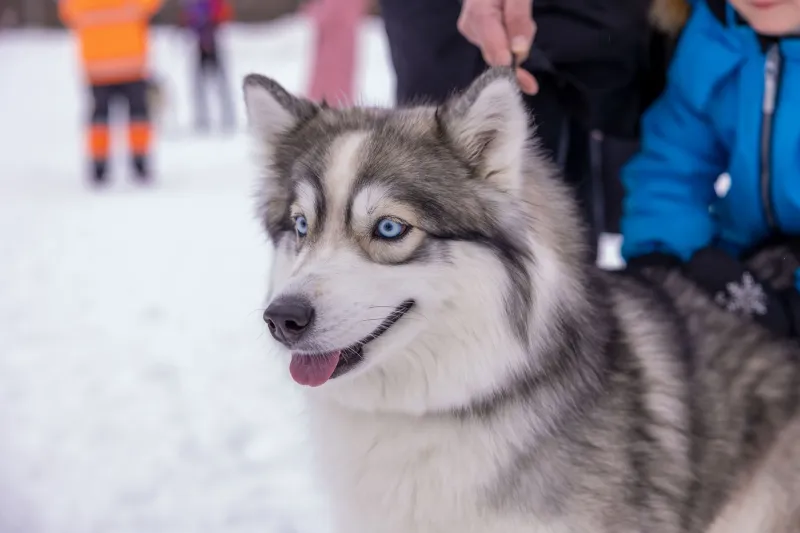
There's something fitting about the fact that sled dogs — animals whose ancestors helped sustain life in the North long before any gold rush brought outsiders flooding in — are the ones passing through these remnants of a boom-and-bust era. The Quest isn't a nostalgia trip. It's a hard, serious athletic event that demands everything from its competitors. But the trail it runs carries memory in every kilometre.
For the communities along the route, whether populated by a handful of permanent residents or only by the ghosts of the past, the annual arrival of the Quest is a kind of acknowledgement. A reminder that the wilderness keeps records too, and that every February, for a few days, the rest of the world comes close enough to hear them.
That might be the most honest form of preservation there is.