Life After the Trail: What Becomes of Elite Sled Dogs When the Racing Is Done
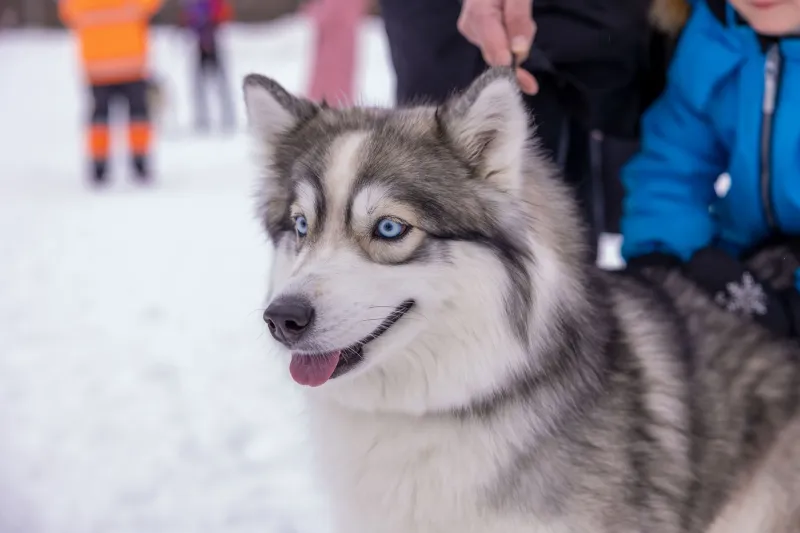
There's a moment every musher quietly dreads. Not the blizzard on Eagle Summit. Not the overflow ice on the Yukon River. It's the morning you look at a dog who has given you everything — thousands of kilometres of trail, cold beyond reason, loyalty that makes you feel unworthy — and you realize their racing days are behind them.
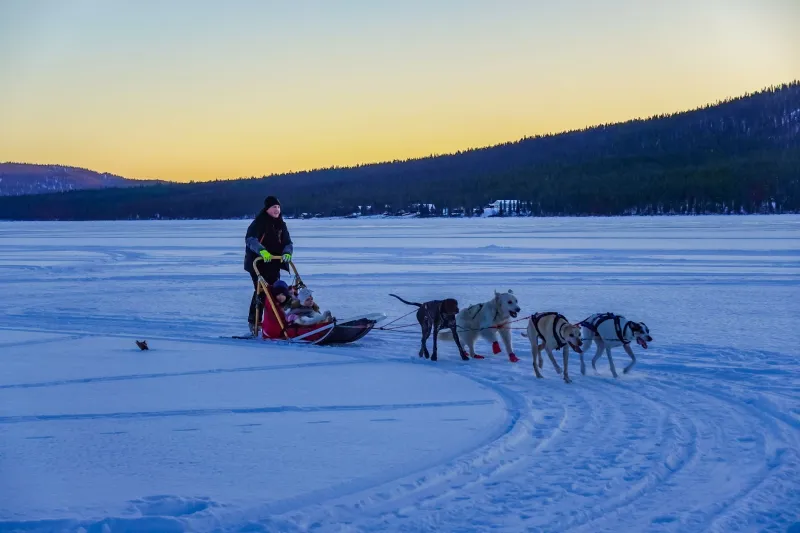
For the elite sled dogs of the Yukon Quest, retirement isn't just a career shift. It's a full identity overhaul. These animals have been bred, trained, and conditioned for one purpose: to run hard and run far across some of the most unforgiving wilderness on the planet. So what happens when the harness comes off for good?
The answer, it turns out, is more layered — and more moving — than most people outside the mushing world ever get to hear.
From Leader to Lap Dog (Sort Of)
Ask any musher who has transitioned a retired Quest dog into a household pet, and they'll tell you the same thing: the learning curve goes both ways.
Take Marguerite Thibodeau, a veteran handler based outside Dawson City, who adopted two retired females from a musher she'd worked alongside for years. Both dogs — Frost and Kaskae — had logged multiple Quest seasons and were considered elite-level athletes in their prime.
"Frost had no idea what a couch was," Marguerite laughs. "She'd just stand there and stare at it. Like it was a trap."
It took Frost about three weeks to figure out that the couch was, in fact, not a trap. After that, she claimed it as sovereign territory.
But the adjustment isn't always so charming. These dogs are hardwired for movement and purpose. A sled dog that runs 160 kilometres in a single stretch doesn't simply downshift into retirement mode the moment someone puts a dog bed in the corner. Many former racers display what handlers describe as restless energy — pacing, vocalizing, or fixating on doors and windows — especially in the early months after racing ends.
"They're not anxious, exactly," says Dr. Renata Moss, a veterinary behaviourist who has worked with retired northern working dogs across the Yukon and B.C. "They're athletes with an enormous capacity for output and very little outlet. You have to give them something. Doesn't have to be a race. But it has to be something."
Finding New Purpose: Therapy, Mentorship, and More
For some retired Quest dogs, that "something" turns out to be remarkably meaningful.
A small but growing number of former sled dogs across the Canadian North have been transitioned into animal-assisted therapy programs. Their calm under pressure — a trait ruthlessly selected for over generations of competitive breeding — makes them surprisingly well-suited for visits to seniors' residences, hospital wards, and youth mental health programs.
One Whitehorse-based program, which pairs retired northern working dogs with youth in care, has found that the dogs' quiet confidence creates an almost immediate sense of safety for kids who are otherwise difficult to reach. "There's something about a dog that has genuinely been through hard things," one program coordinator noted. "The kids seem to sense it. Like the dog gets it."
Other retired dogs stay closer to the kennel, stepping into a mentorship role with younger dogs still in training. Experienced leaders are particularly valued in this capacity. A dog who has run the Quest understands trail rhythm, team dynamics, and the subtle communication between musher and team in a way no amount of dryland training can fully replicate. Younger dogs that run alongside retired veterans often develop better trail instincts faster.
It's informal, unscientific, and almost entirely undocumented — but mushers across the North will tell you it works.
The Adoption Pipeline: Quiet, Community-Driven, and Crucial
Not every retired Quest dog ends up in a musher's living room or a therapy program. The reality of large kennel operations is that rehoming retired dogs requires an active, sustained effort — and a network of people willing to do the unglamorous work of matching dogs with families.
Across the Yukon and northern B.C., that network exists largely through word of mouth, mushing community Facebook groups, and a handful of dedicated rescue organizations that specialize in northern working breeds. It's not a formal system, but it functions because the community around the Quest takes it seriously.
Families who adopt retired sled dogs are typically screened carefully — not because the dogs are dangerous, but because the fit matters enormously. A former Quest dog placed with a sedentary household in a small apartment is a setup for frustration on all sides. Placed with an active family in a rural area, that same dog often thrives.
"We look for people who run, hike, ski — anything that gives the dog a job," says one Yukon-based rehoming volunteer who asked to remain anonymous. "Even just pulling a kid on a sled in the backyard. These dogs need to feel useful. That's not a want. It's a need."
What the Mushers Carry
For the mushers themselves, retiring a dog is rarely clean or simple. The bond between a competitive musher and their lead dogs in particular runs deep enough that it defies easy description. These are not just working animals. They are collaborators, confidants, and in many cases, the reason a musher survived a particularly bad night on the trail.
Marguerite still tears up a little when she talks about placing her first retired leader — a dog named Copper who ran four Quests and led her team through a whiteout on the Fortymile River that she says she would not have made it through alone.
"Copper went to a family in Haines Junction. Wonderful people. He's happy. I know he's happy," she says. "But there's still a part of me that misses him every single day. That's just the truth of it."
Other mushers keep their retired dogs close for exactly this reason — choosing to absorb the cost and logistics of maintaining older animals rather than face that particular kind of quiet grief.
Neither choice is wrong. Both reflect the same underlying reality: these dogs leave a mark.
The Legacy Runs Longer Than the Race
The Yukon Quest is, at its core, a celebration of partnership. A thousand miles of wilderness covered not by one creature but by two species, working together in conditions that would break most things that try to survive them.
When a Quest dog retires, that partnership doesn't end. It transforms. The same animal that once led a team through darkness and cold at forty below is now, perhaps, curled on a rug in Whitehorse while a child reads aloud to them for a school project. Or trotting alongside a retiree on a morning walk through Riverdale. Or simply lying in a patch of afternoon sun, doing absolutely nothing, with what can only be described as profound contentment.
The trail shaped them. But what comes after the trail? That might be where their real story gets written.