Small Towns, Big Stakes: The Surprising Economic Engine Behind the Yukon Quest
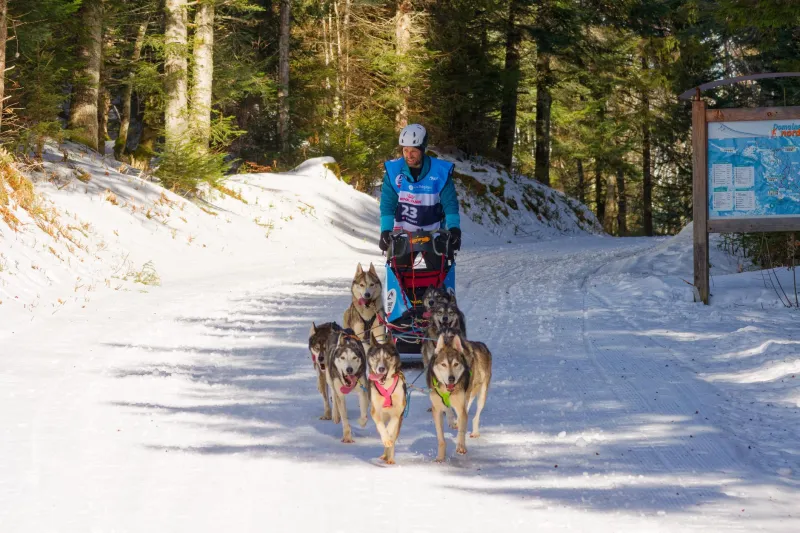
Every February, a handful of mushers and their dogs disappear into one of the most unforgiving stretches of wilderness on the planet. Most of the world doesn't notice. But in the small communities strung like beads along the 1,600-kilometre trail between Whitehorse and Fairbanks — or Fairbanks to Whitehorse, depending on the year — the Yukon Quest is anything but invisible. It's a big deal. A really big deal.
And not just for the sport of it.
Checkpoints as Economic Hubs
Place names like Braeburn, Pelly Crossing, Carmacks, and Dawson City don't exactly ring bells for most Canadians south of the 60th parallel. But during Quest week, these communities transform. Volunteers flood community halls. Local families open their homes to race officials, journalists, and dog handlers. Restaurants that might serve a dozen regulars on a Tuesday night suddenly find themselves overwhelmed by hungry mushers, race crews, and adventure tourists who've driven hours on icy highways just to catch a glimpse of the teams coming in.
"We plan for it all year," says one café owner in Dawson City, who has been feeding Quest participants for over a decade. "We stock extra supplies in January, we call in every favour we've got for extra staff, and honestly? It's one of the best weeks of our year, financially and just as a community vibe. People are excited. There's energy here that you don't always get in winter."
That energy translates directly into dollars. Local accommodation books out weeks in advance. Fuel stations along the route see significant spikes. Even grocery stores in tiny communities report noticeable bumps in sales as race crews stock up on supplies. For towns where economic activity can be painfully thin during the deep-freeze months of January and February, the Quest arrives like a shot of adrenaline.
The Supply Chain Nobody Talks About
Behind the romance of the trail, there's a surprisingly complex supply chain keeping the race alive. Hay for dog bedding, straw bales, food drops, veterinary equipment, communications gear — a huge portion of this gets sourced locally wherever possible. Race organizers have long understood that investing in local suppliers isn't just good community relations; it's practical. Getting supplies from the South is expensive and logistically complicated in winter. Local sourcing makes the operation leaner.
First Nations communities along the route play a particularly significant role. Several checkpoints are located on or near Indigenous lands, and community members often serve as essential volunteers, guides, and hosts. In Pelly Crossing, for instance, the Selkirk First Nation has been involved in Quest operations for years, providing both hospitality and cultural context that deepens the race's connection to the land it crosses.
"This trail has meaning that goes beyond the race," one community leader near the central Yukon corridor explained. "Our people have travelled parts of this country for generations. When the Quest comes through, it's a chance to share that with visitors and to remind everyone — including ourselves — of what this place is."
Tourism: The Long Tail of the Quest
Here's something the race's economic story doesn't always capture: the tourists who show up in summer.
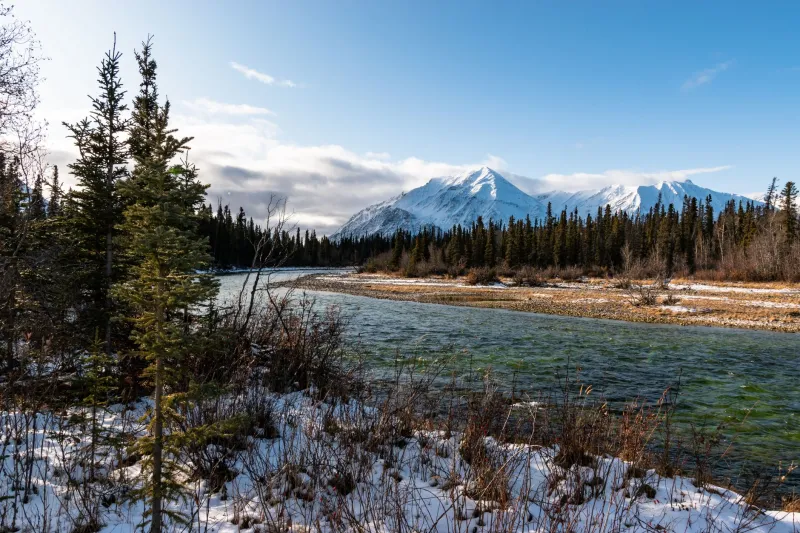
A growing number of visitors to the Yukon and Alaska trace their interest back to the Quest. They watched a documentary, followed a musher's blog, or stumbled onto footage of a team crossing the Yukon River at night under the northern lights. And then, months later, they booked a trip. They want to see the trail. They want to visit Dawson City. They want to understand the landscape that swallowed those dogs and mushers whole.
Tourism operators in Whitehorse report that the race has become a meaningful part of their marketing story, particularly for adventure travellers and international visitors from Europe and Japan, two demographics that have shown consistent fascination with Arctic wilderness experiences. The Quest, in other words, doesn't just generate revenue in February. It seeds curiosity that pays off across the calendar.
When the Race Doesn't Come
Not every year goes smoothly. Pandemic-related cancellations and logistical challenges have occasionally disrupted the race calendar, and those gaps are felt sharply in the communities that depend on the event's annual rhythm.
"The year the race was cancelled, it was rough," admits a lodge owner near one of the central Yukon checkpoints. "We'd already ordered supplies, arranged staff, done all the prep. And then nothing. It reminded us how much we'd come to count on it."
The experience prompted some communities to think more deliberately about diversifying their winter event programming so the Quest doesn't bear the full weight of their cold-season economy. But most are candid: nothing else quite replicates what the race brings. The combination of media attention, volunteer mobilization, visitor traffic, and raw community pride is genuinely hard to manufacture.
More Than Money
Economic impact studies are useful, but they miss something. Ask the people who live in these communities what the Quest means to them and the conversation quickly moves past revenue figures.
It's the kids who stay up past midnight to watch the teams come in. It's the elder who remembers when dog teams were the only way to move through this country in winter, watching modern mushers and feeling something complicated and proud. It's the volunteer who's been manning the same checkpoint for fifteen years because it's become part of how she marks time.
The Yukon Quest is, at its heart, a community event that happens to also be one of the toughest sled dog races on Earth. The economics follow from that community investment — not the other way around. And as long as those communities keep showing up, keep feeding mushers at midnight and bedding down dogs in frozen fields, the race will keep delivering something that no economic model can fully quantify.
The North takes care of its own. The Quest is proof of that.